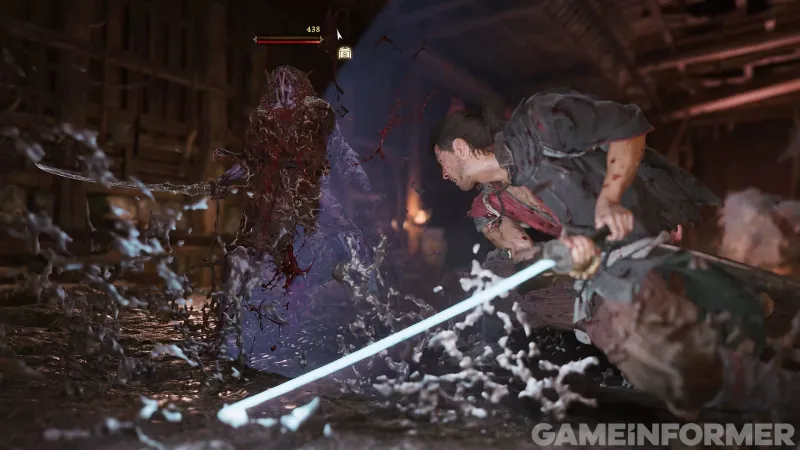
After two decades of silence, Capcom is preparing to resurrect one of its most beloved but dormant franchises. Onimusha: Way of the Sword marks the first new entry in the legendary samurai action series since 2006’s Onimusha: Dawn of Dreams, and the Japanese gaming giant has ambitious goals for this long-awaited return. Rather than focusing purely on sales figures, Capcom’s development team has revealed that their measure of success centers on creating what they describe as the ultimate sword-fighting experience in gaming history.
Key Points
- Producer Akihito Kadowaki defines success as creating ‘the pinnacle of swordplay action games’ rather than hitting specific unit sales
- A modular difficulty system lets players adjust story and combat challenges independently to reduce abandonment rates
- Way of the Sword is a soft reboot with no direct story connection to previous games, targeting newcomers alongside veterans
- The game stars legendary historical figure Miyamoto Musashi and is set in Kyoto, blending real Japanese history with supernatural elements
- Onimusha’s 9 million lifetime sales are modest next to Resident Evil’s 200 million, informing Capcom’s quality-first strategy
The Onimusha series first burst onto the scene in 2001 with Onimusha: Warlords, which became the first PlayStation 2 title to sell over one million copies. The franchise blended historical Japanese settings with supernatural horror elements, featuring samurai warriors battling demonic forces known as the Genma. The series spawned four mainline games, several spin-offs, and even an anime adaptation, building a dedicated fanbase that has been clamoring for a new installment for years. The 20-year gap between releases represents one of the longest hiatuses for any major gaming franchise to make a comeback.
Capcom Aims to Deliver the Ultimate Sword Combat Experience
In a revealing interview, producer Akihito Kadowaki outlined Capcom’s ambitious philosophy for Way of the Sword. “We’ve built this game with the intention of essentially creating a new swordplay experience – the pinnacle of swordplay action games,” Kadowaki explained. The development team recognizes that simply appealing to nostalgic fans who remember the original games won’t be sufficient for this revival. Instead, they’re aiming to create an experience that can captivate both veterans of the series and complete newcomers to the action genre.
To achieve this broad accessibility, Capcom has implemented a sophisticated modular difficulty system. Players can adjust story and action difficulty settings independently, with granular options available between preset levels. This approach reflects a growing trend in the gaming industry toward inclusive design, allowing players of varying skill levels to experience the complete narrative without being blocked by challenging gameplay sections. Kadowaki expressed hope that this system will help more players see the game through to completion, noting that many action game enthusiasts abandon titles before finishing due to difficulty spikes.
Why Sales Targets Take a Backseat for This Revival
| Franchise | Lifetime Unit Sales |
|---|---|
| Resident Evil | 200 million+ |
| Monster Hunter | 127 million |
| Street Fighter | 59 million |
| Onimusha (entire series) | ~9 million |
The context surrounding Onimusha’s return is important when considering what success means for this revival. Capcom’s portfolio includes some of the most successful franchises in gaming history. Resident Evil has surpassed 200 million units sold across its numerous installments, Monster Hunter sits at an impressive 127 million copies, and Street Fighter has achieved 59 million in sales. By comparison, the entire Onimusha series has just barely eclipsed 9 million units sold throughout its existence. This disparity highlights why Capcom’s focus on creating quality experiences rather than chasing sales numbers represents a sensible approach.
The gaming landscape has transformed dramatically since Dawn of Dreams launched in 2006. The action game genre has evolved significantly, with titles like Dark Souls, Sekiro: Shadows Die Twice, and Ghost of Tsushima setting new standards for sword-based combat. Interestingly, some of these games drew inspiration from the original Onimusha titles, creating an interesting dynamic where the returning franchise must now compete with games that built upon its foundational innovations. Capcom’s decision to position Way of the Sword as a fresh starting point rather than a direct continuation suggests awareness of how much the market has changed.
A Soft Reboot Starring Miyamoto Musashi
Way of the Sword represents something of a soft reboot for the franchise. While it maintains the series’ signature blend of historical Japanese settings and supernatural combat, the game isn’t directly connected to previous entries in terms of story. However, longtime fans will find numerous homages and references to the original games scattered throughout. The choice of Miyamoto Musashi as the protagonist connects to real Japanese history, as the legendary swordsman is considered one of the greatest warriors in Japan’s feudal era, having reportedly never lost a duel in his lifetime.
The setting of Kyoto provides a rich backdrop for the supernatural action. As Japan’s former imperial capital and a city steeped in centuries of history, Kyoto offers architectural and cultural elements that perfectly complement Onimusha’s blend of historical authenticity and dark fantasy. The development team has reportedly crafted larger environmental puzzles to replace the puzzle boxes that were a staple of earlier entries, while the mysterious Phantom Realm appears to be making a return in some form, much to the delight of series veterans.
Capcom's Long-Term Strategy for the Series
Capcom’s approach to reviving Onimusha reflects lessons learned from successful franchise resurrections. The company has demonstrated expertise in bringing back dormant properties, most notably with the Resident Evil remakes that have achieved both critical acclaim and commercial success. By focusing on creating an exceptional gameplay experience rather than setting unrealistic sales expectations, Capcom appears to be playing the long game with Onimusha. If Way of the Sword delivers on its promise of being the pinnacle of swordplay action, it could establish a foundation for future installments and gradually rebuild the franchise’s presence in the competitive gaming market.
The timing of 2026 for Onimusha’s return wasn’t arbitrary. The gaming industry has seen renewed interest in Japanese historical settings and samurai narratives, partly driven by the success of titles like Ghost of Tsushima and the Nioh series. This cultural moment presents an opportunity for Onimusha to reclaim its position as a premier samurai action franchise while introducing its unique demon-slaying mythology to a new generation of players who may have never experienced the original PlayStation 2 classics.
What This Means for Onimusha's Future
Capcom’s framing of success around quality rather than unit sales is a calculated hedge. Onimusha has never been a blockbuster property, and the action genre it returns to now includes formidable competitors—Sekiro, Ghost of Tsushima, Nioh—that absorbed lessons from the original series and raised the bar. Setting expectations around player experience rather than revenue buys Capcom room to treat Way of the Sword as a proof of concept.
The modular difficulty system signals where Capcom sees opportunity. Modern audiences increasingly expect accessibility options, and allowing separate sliders for narrative and combat difficulty could broaden the player base beyond hardcore action fans. It also addresses a real problem: players dropping games before credits roll, which limits word-of-mouth and sequel appetite.
If Way of the Sword reviews well and sells respectably, Capcom has a template for gradual franchise rebuilding—similar to how Resident Evil 7 reset that series before the remakes followed. A lukewarm reception, however, likely sends Onimusha back into hibernation. The 2026 window, riding interest in samurai settings post-Ghost of Tsushima, is probably the best cultural moment the series will get for some time.
Frequently Asked Questions
When does Onimusha: Way of the Sword release?
Capcom has targeted 2026 for the game’s launch. An exact date has not been announced, but the timing aligns with sustained Western interest in samurai-themed games following titles like Ghost of Tsushima.
Do I need to play previous Onimusha games first?
No. Way of the Sword is a soft reboot with no direct story ties to earlier entries. Capcom designed it to welcome newcomers while including homages for longtime fans.
How does Way of the Sword handle difficulty?
The game features a modular system that lets players adjust story and action difficulty independently, with granular options between preset levels. The goal is to let more players finish the game regardless of skill level.
Expert Opinion: Capcom’s measured approach to reviving Onimusha demonstrates mature franchise management in an era where unrealistic expectations often doom promising revivals. By prioritizing player accessibility and gameplay quality over aggressive sales targets, Capcom is positioning Way of the Sword for sustainable long-term success. If the game delivers on its ambitious combat promises, we could see Onimusha gradually rebuilt into a tentpole franchise over multiple releases rather than being abandoned after a single disappointing launch.