It is undeniably a dark time for the Star Wars franchise. The recent theatrical release of The Mandalorian and Grogu proved to be a significant box office disappointment, earning less than low-budget horror films like Obsession and Backrooms — a stunning failure that has cast serious doubt over the franchise’s cinematic future. Adding to the troubled atmosphere, Ahsoka season 2 has been postponed until 2027, while The Acolyte was unceremoniously canceled after just one season despite its ambitious exploration of the High Republic era. For longtime fans who grew up with lightsabers and the Force, these developments have been nothing short of disheartening. However, amid this storm of uncertainty, a beacon of hope has emerged from the most unexpected of sources: Japanese animation.
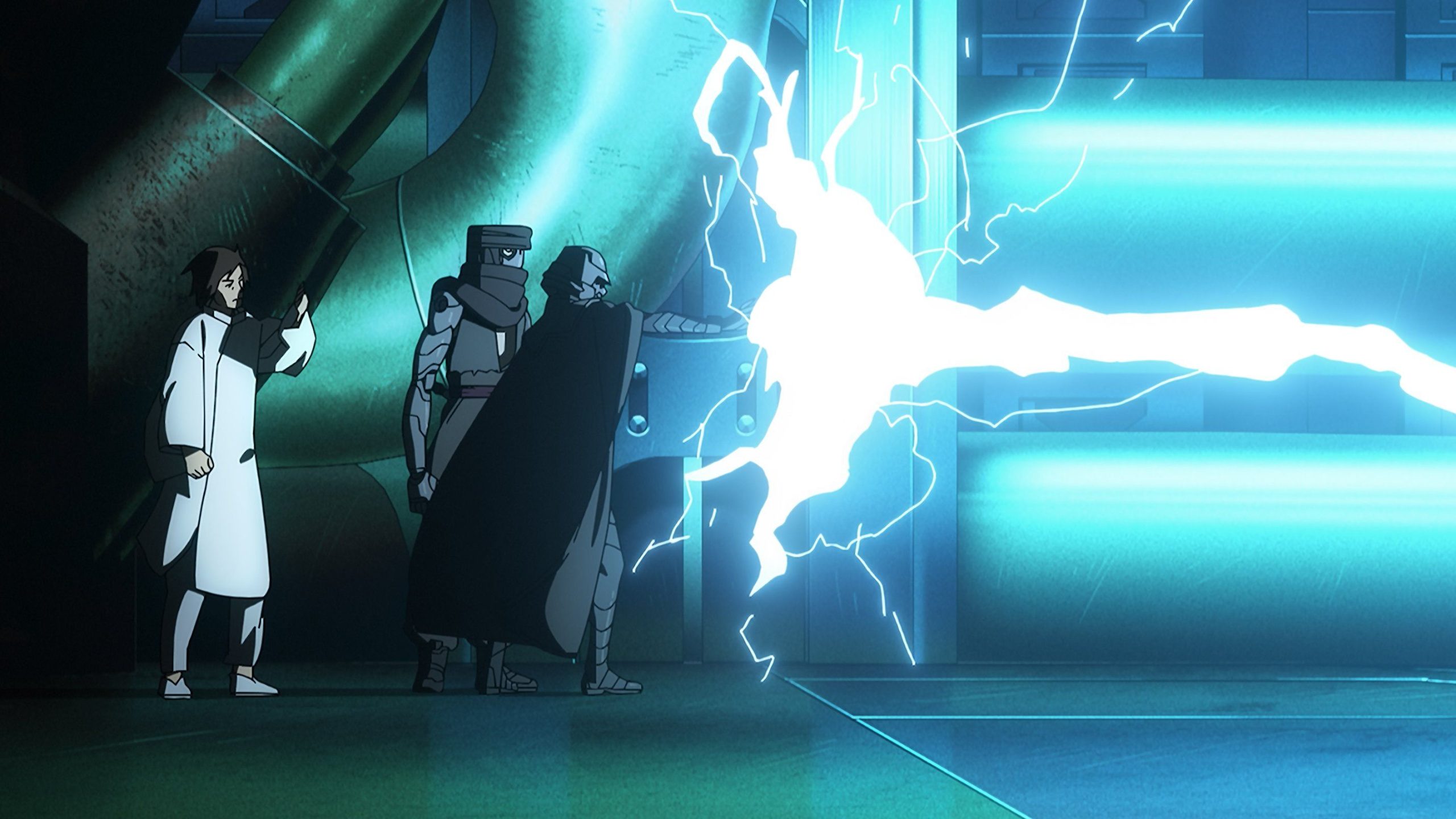
The Ninth Jedi, an anime series originally developed by the legendary Production I.G. for the Star Wars: Visions anthology, represents exactly the kind of creative refresh that Lucasfilm desperately needed. This stylish and heartfelt production takes the most iconic elements of the Star Wars universe and remixes them into something that feels genuinely vital after decades of iterating on the Skywalker Saga. Production I.G., renowned for masterpieces like Ghost in the Shell and Attack on Titan’s later seasons, brings their distinctive visual prowess to a galaxy far, far away, creating an experience that honors tradition while boldly charting new territory.
A Fresh Visual Language for a Beloved Universe
What makes The Ninth Jedi particularly remarkable is how it leverages the unique strengths of anime to tell Star Wars stories in ways live-action productions simply cannot. The fluid animation allows for breathtaking lightsaber choreography that would be prohibitively expensive or physically impossible in traditional filmmaking. Character expressions carry emotional weight that resonates deeply with viewers, while the artistic freedom of animation permits creative worldbuilding that expands the Star Wars aesthetic in exciting new directions. Production I.G.’s involvement ensures a level of visual sophistication that elevates the material beyond mere franchise content into genuine artistic achievement.
The series is set in a distant future where the Jedi have all but disappeared and lightsabers have become extraordinarily rare artifacts. This premise cleverly sidesteps the narrative constraints that have plagued recent Star Wars projects, which often feel obligated to connect directly to established characters and events. By moving far beyond the Skywalker timeline, The Ninth Jedi grants itself permission to tell original stories with new characters while still maintaining the spiritual essence of what makes Star Wars compelling. The Force, the eternal struggle between light and dark, the importance of hope — all these elements remain intact but feel renewed through fresh perspectives.
Why Anime Might Be Star Wars’ Secret Weapon
The success of The Ninth Jedi points to a broader truth that Lucasfilm would be wise to embrace: animation offers narrative and creative freedoms that live-action productions increasingly struggle to achieve. The astronomical budgets required for modern blockbusters create risk-averse decision-making, resulting in films and series that often feel safe and predictable. Animation, by contrast, can take bold creative swings at a fraction of the cost. The Star Wars: Visions anthology demonstrated that talented animation studios worldwide have compelling visions for this universe, and The Ninth Jedi proves these visions can sustain full series treatment.
Industry analysts have noted the growing appetite among Western audiences for anime content, with streaming platforms reporting record viewership numbers for Japanese animation. This cultural shift presents an opportunity for Star Wars to reinvent itself for a new generation while simultaneously appealing to existing fans hungry for quality storytelling. The Ninth Jedi succeeds not because it abandons what makes Star Wars special, but because it approaches familiar themes with genuine artistic passion rather than corporate obligation. Every frame demonstrates care and intentionality that audiences can instinctively recognize.
The Path Forward for Lucasfilm
As Lucasfilm navigates this challenging period, The Ninth Jedi offers a roadmap for revitalization. The franchise’s difficulties stem not from audience fatigue with Star Wars itself, but from diminishing returns on recycled narrative formulas. Viewers demonstrated through box office results that they will not automatically support mediocre content simply because it carries the Star Wars brand. However, they will enthusiastically embrace projects that demonstrate genuine creativity, emotional authenticity, and respect for their intelligence. The Ninth Jedi embodies all these qualities, suggesting that the franchise’s future may lie in empowering diverse creative voices rather than maintaining rigid corporate control over every aspect of production.
The series also demonstrates that Star Wars can successfully expand beyond its traditional American production model. Japanese animation studios bring different storytelling sensibilities, visual traditions, and cultural perspectives that enrich rather than diminish the Star Wars experience. This international approach mirrors the franchise’s global fanbase and acknowledges that great stories can emerge from anywhere. As Disney and Lucasfilm reassess their strategy following recent setbacks, The Ninth Jedi stands as compelling evidence that sometimes the best path forward requires looking in unexpected directions for inspiration and talent.
Expert Opinion: The success of The Ninth Jedi signals a potential paradigm shift in how major entertainment franchises approach content creation. Rather than continuing to invest hundreds of millions in increasingly risk-averse live-action productions, studios may find that partnering with established animation houses offers both creative renewal and financial sustainability. For Star Wars specifically, leaning into anime could attract younger demographics while re-engaging disillusioned longtime fans — a rare opportunity to rebuild brand equity through artistic excellence rather than nostalgia alone.