
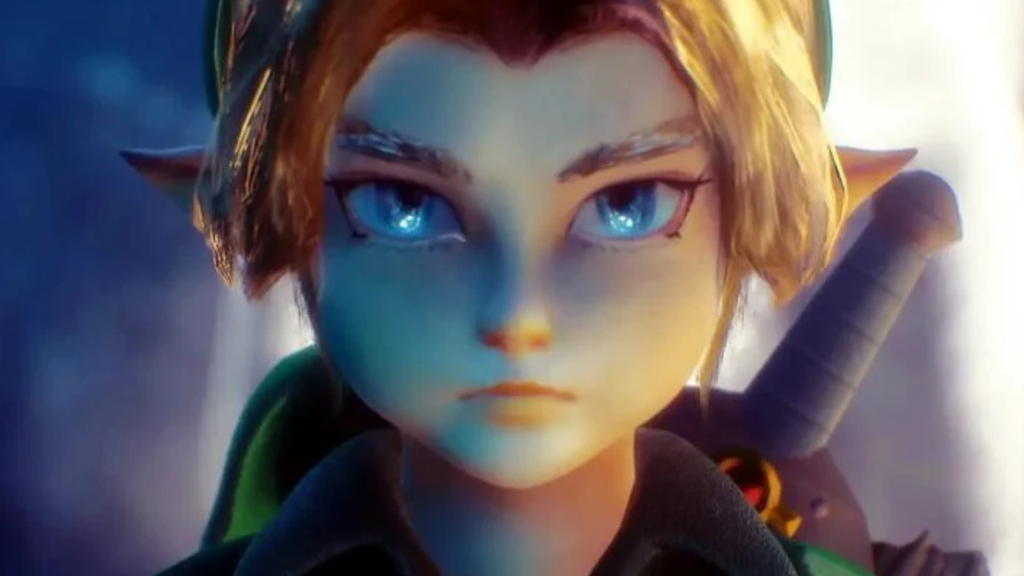
In an era where Nintendo has increasingly turned to its back catalog for inspiration, the legendary Shigeru Miyamoto has finally broken his silence on the company’s remake strategy. The iconic creator of Mario, Zelda, and Donkey Kong has offered a surprisingly candid defense of Nintendo’s nostalgia-driven approach, directly challenging the gaming community’s collective memory in a recent interview with Japanese media. His remarks come at a time when the gaming industry is grappling with questions about creativity, preservation, and the balance between honoring the past and forging new paths forward.
Miyamoto’s comments suggest that Nintendo’s decision to revisit classic titles isn’t merely a commercial strategy but rather a philosophical stance on how players actually engage with video games over time. According to the 72-year-old gaming pioneer, the average player’s memory of specific games fades significantly within just five years, making remakes not only justified but almost necessary to keep beloved franchises alive in the public consciousness. This perspective offers a fascinating glimpse into how one of gaming’s most influential figures views the relationship between creators and their audience.
The Business and Art of Revisiting Gaming Classics
Nintendo’s remake strategy has accelerated dramatically in recent years, with titles like The Legend of Zelda: Link’s Awakening, Super Mario RPG, and Paper Mario: The Thousand-Year Door receiving lavish modern treatments. The upcoming Luigi’s Mansion 2 HD and the heavily rumored Metroid Prime 2 remake continue this trend, suggesting that Nintendo sees substantial value in breathing new life into its extensive library. Critics have questioned whether this approach stifles innovation, but Miyamoto’s defense reframes the conversation entirely. He argues that each generation of gamers deserves the opportunity to experience these foundational titles with contemporary quality standards and accessibility features.
The financial success of Nintendo’s remakes cannot be overlooked when examining this strategy. Pokémon Brilliant Diamond and Shining Pearl sold over 14 million copies worldwide, while Link’s Awakening moved more than 6 million units. These numbers demonstrate that there is genuine market demand for polished versions of classic adventures. However, Miyamoto’s justification goes beyond mere profit margins. He suggests that the ephemeral nature of gaming memories creates a genuine need for these reimagined experiences, positioning remakes as a form of cultural preservation rather than creative bankruptcy.
Memory, Nostalgia, and the Psychology of Gaming
Miyamoto’s assertion about the five-year memory window raises intriguing questions about gaming psychology and how we form lasting connections with interactive entertainment. Research in cognitive science has shown that our memories of media experiences are often less detailed than we believe, with emotional impressions frequently outlasting specific recollections of gameplay mechanics or level designs. This phenomenon may explain why remakes often feel simultaneously familiar and fresh to returning players. The emotional core remains intact while the specific details have faded enough to allow for genuine rediscovery.
The gaming industry’s relationship with nostalgia has evolved considerably since Nintendo first began revisiting its classics. What started with simple re-releases and virtual console offerings has transformed into a sophisticated approach involving ground-up reconstructions, quality-of-life improvements, and carefully considered modernizations. Miyamoto and his teams have developed a nuanced understanding of what makes a remake successful: preserving the essence that made the original special while removing the friction that might alienate contemporary audiences accustomed to modern conveniences. This delicate balance requires deep knowledge of both the source material and current player expectations.
Looking Forward While Honoring the Past
Despite the focus on remakes, Nintendo continues to develop new intellectual properties and expand existing franchises in innovative directions. Titles like Splatoon, ARMS, and Ring Fit Adventure demonstrate that the company hasn’t abandoned creativity in favor of pure nostalgia mining. Miyamoto’s comments should perhaps be understood within this broader context: remakes serve a specific purpose within Nintendo’s diverse portfolio, allowing newer projects the room to take risks while established classics maintain consistent revenue streams and brand recognition. This dual approach has proven remarkably effective at keeping Nintendo relevant across multiple generations of gamers.
As the gaming industry continues to mature, questions about preservation, accessibility, and the purpose of remakes will only become more pressing. Miyamoto’s frank assessment provides valuable insight into how at least one major industry figure views these challenges. Whether players agree with his characterization of gaming memory or not, his willingness to engage openly with criticism of Nintendo’s strategy demonstrates a confidence in the company’s approach. With the Nintendo Switch 2 on the horizon, it seems likely that remakes will continue to play a significant role in Nintendo’s future, introducing timeless classics to yet another generation of players who, according to Miyamoto, will inevitably need reminding of gaming’s rich heritage.
Expert Opinion: Miyamoto’s candid remarks reveal a calculated long-term strategy that treats Nintendo’s game library as a renewable resource rather than a static archive. As the industry faces increasing development costs and longer production cycles for new AAA titles, expect other major publishers to adopt similar philosophies, positioning remakes not as creative shortcuts but as essential bridges connecting gaming generations. The five-year memory window theory, while provocative, may ultimately prove to be Nintendo’s most honest acknowledgment of how modern audiences consume entertainment in an era of overwhelming content abundance.