
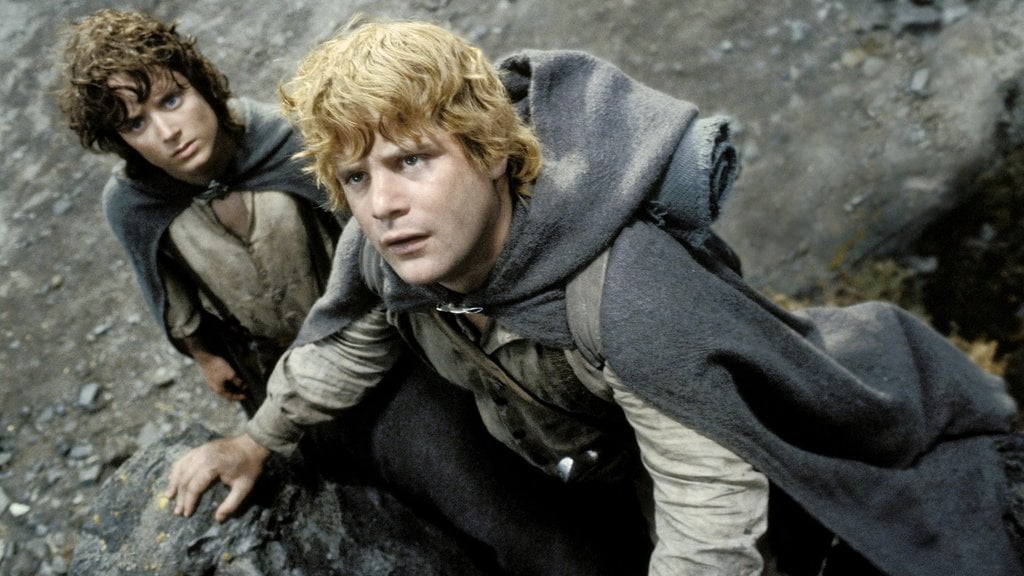
The beloved actor behind one of cinema’s most iconic sidekick characters has opened up about the harsh financial realities he faced after completing Peter Jackson’s legendary Lord of the Rings trilogy. Sean Astin, who portrayed the loyal and courageous Samwise Gamgee throughout all three films, recently revealed that he was forced to sell his home because he had negotiated too low a salary for his role in what would become one of the highest-grossing film franchises in history. This revelation adds another layer to the growing understanding that not all stars of the trilogy benefited equally from its massive commercial success.
The Lord of the Rings trilogy, filmed simultaneously in New Zealand between 1999 and 2000, went on to gross nearly $3 billion at the worldwide box office and won a combined 17 Academy Awards. Despite this unprecedented success, many of the actors who brought J.R.R. Tolkien’s beloved characters to life were working with relatively modest contracts negotiated before anyone could have predicted the films’ cultural impact. Orlando Bloom, who played the elven archer Legolas, has previously spoken publicly about how the cast members, particularly the younger and less established actors, were not particularly well compensated for their groundbreaking work.
The Financial Struggles Behind Middle-earth Magic
Sean Astin’s situation is particularly poignant given the critical importance of his character to the narrative. Samwise Gamgee is widely regarded as the emotional heart of the trilogy, with many fans and critics arguing that Sam, not Frodo, is the true hero of the story. Astin’s performance earned widespread acclaim, and his delivery of Sam’s most memorable lines continues to resonate with audiences more than two decades later. Yet at the time of negotiation, Astin was primarily known for his childhood role in The Goonies (1985) and had limited leverage in salary discussions with New Line Cinema.
The economics of the Lord of the Rings production were unprecedented and risky for their time. Director Peter Jackson convinced New Line Cinema to greenlight all three films simultaneously, a decision that required the studio to invest approximately $281 million before seeing a single dollar in return. This massive upfront investment meant that the studio was particularly aggressive in controlling costs wherever possible, including actor salaries. Many cast members signed on for what seemed like reasonable compensation at the time, never imagining they were participating in what would become a defining cultural phenomenon of the early 21st century.
A Pattern of Underpayment in the Fellowship
Astin’s experience reflects a broader pattern within the entertainment industry where actors in ensemble casts, particularly those working on projects with uncertain commercial prospects, often find themselves locked into contracts that don’t reflect the eventual success of their work. Unlike franchises today, where backend participation and profit-sharing arrangements are more common, the Lord of the Rings contracts were negotiated in an era when such provisions were less standard for supporting cast members. The trilogy’s stars reportedly received flat fees with limited bonus structures, meaning the films’ extraordinary success translated into relatively modest paydays compared to what similar roles might command today.
The revelation comes at a time when Hollywood compensation practices are under increased scrutiny, particularly following recent labor disputes involving actors’ unions. The entertainment industry has evolved significantly since the early 2000s, with streaming platforms and franchise filmmaking creating new paradigms for how actors are compensated. Today, major franchise players often negotiate elaborate deals that include streaming residuals, merchandise royalties, and performance bonuses tied to box office milestones. For Astin and his castmates, these modern protections came too late to benefit from their Middle-earth journey.
Legacy Beyond Financial Compensation
Despite the financial hardships, Sean Astin has remained gracious about his experience working on the trilogy, frequently expressing gratitude for the role that cemented his place in cinematic history. The actor has continued working steadily in television and film, including memorable appearances in Stranger Things and voiceover work in animated projects. His candid discussion of the salary issue serves not as bitterness but as a cautionary tale for actors navigating similar situations in today’s entertainment landscape. The Lord of the Rings remains a testament to collaborative filmmaking magic, even as it reminds us that Hollywood’s most enchanting productions often mask complicated financial realities for the artists involved.
Expert Opinion: Astin’s revelation highlights a persistent imbalance in Hollywood’s compensation structures, where ensemble cast members bear significant career risks without proportional rewards. Industry analysts suggest that modern franchise contracts have evolved partly due to stories like these, but the fundamental power asymmetry between studios and actors—especially before a project proves successful—remains a systemic challenge that unions continue to address in ongoing negotiations.