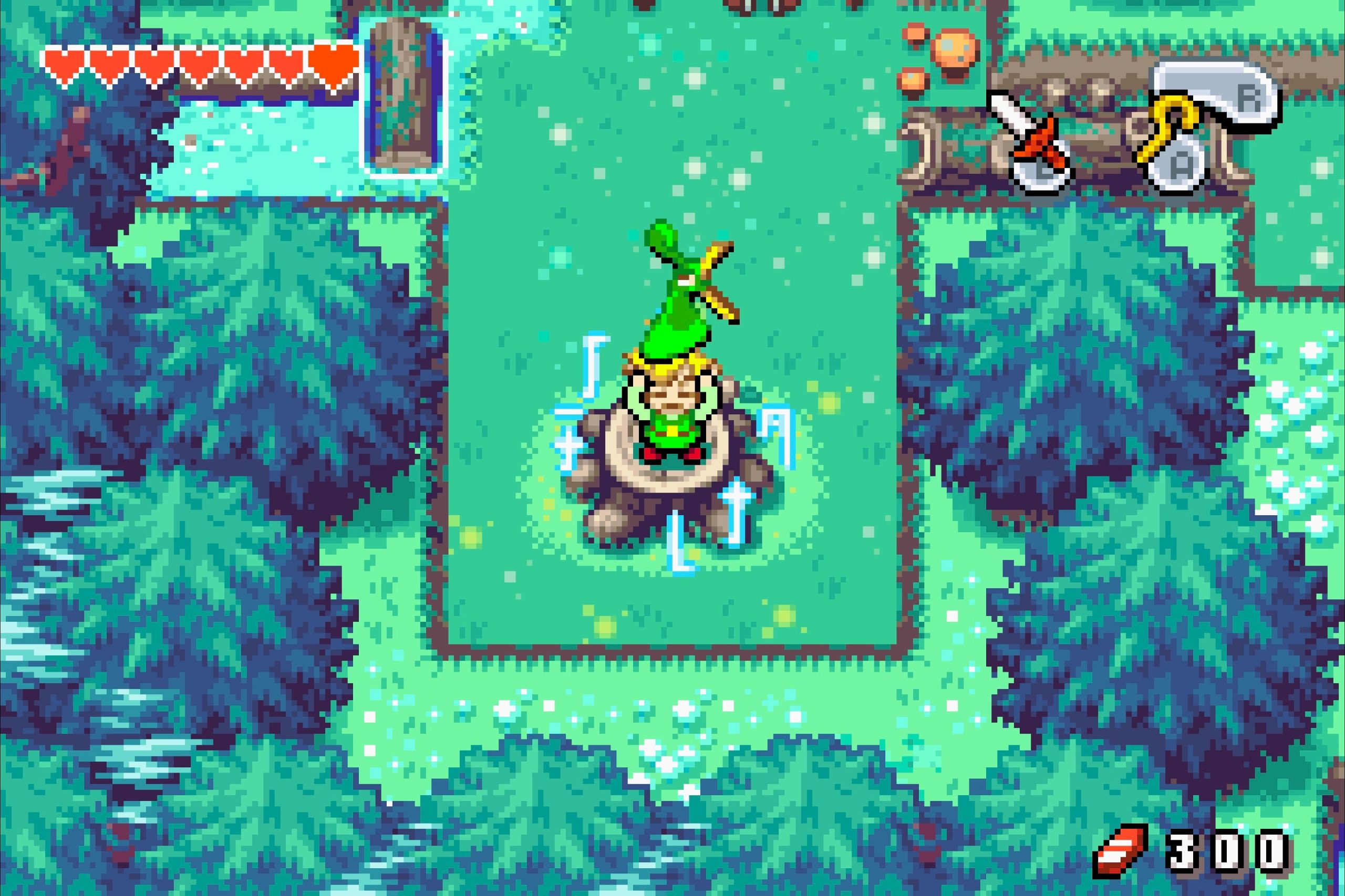
The Nintendo 3DS era represented a golden age for portable gaming remakes and ports, with Nintendo bringing beloved franchises to the dual-screen handheld system throughout its lifecycle. However, not every classic title received the premium treatment fans deserved. The Legend of Zelda: The Minish Cap, widely considered one of the finest entries in the legendary action-adventure series, was available on the 3DS Virtual Console but remained essentially unchanged from its original Game Boy Advance incarnation. Now, dedicated members of the gaming community are taking matters into their own hands, creating enhanced versions of classic Zelda titles specifically optimized for the 3DS hardware.
The Virtual Console Limitations
When Nintendo launched the Virtual Console service for the 3DS, it promised players access to a vast library of classic games from previous Nintendo platforms. While this service delivered on quantity, the quality of many ports left much to be desired. Games like The Minish Cap were essentially straight emulations, running the original Game Boy Advance code without taking advantage of the 3DS’s superior hardware capabilities. The 3DS featured significantly more processing power, stereoscopic 3D display technology, and a second screen that could have been utilized for inventory management or maps. Despite these possibilities, official Virtual Console releases rarely incorporated such enhancements, leaving fans wanting more from their portable classics.
The Minish Cap, originally released in 2004, holds a special place in Zelda history. Developed by Capcom’s Flagship studio in collaboration with Nintendo, it introduced players to the magical world of the Picori, tiny creatures invisible to adult eyes. The game featured innovative shrinking mechanics that allowed protagonist Link to explore the world from a miniature perspective, discovering secrets hidden in plain sight. Its charming visual style, memorable dungeons, and engaging storyline made it an instant classic that continues to resonate with fans nearly two decades after its initial release.
Fan-Made Enhancement Projects
The homebrew community has long been at the forefront of preserving and enhancing classic gaming experiences. Talented programmers and passionate fans have created numerous projects aimed at bringing older titles to newer hardware with meaningful improvements. These enhancement projects typically include features such as widescreen support, improved resolution scaling, quality-of-life improvements, and additional control options that weren’t possible on original hardware. For Zelda titles on the 3DS, this might mean utilizing the bottom touchscreen for quick item selection, implementing save states, or adding optional visual filters that enhance the pixel art without compromising the original artistic vision.
Such community efforts exist in a complex legal gray area, as they require users to own original copies of games and often depend on custom firmware installations. However, they represent a crucial aspect of video game preservation, ensuring that classic titles remain playable and enjoyable for future generations. Nintendo’s own approach to legacy content has been inconsistent, with some classics receiving full remakes while others languish in digital storefronts with minimal updates.
The Legacy of Zelda on Portable Systems
The Legend of Zelda franchise has a rich history on Nintendo’s portable platforms, dating back to Link’s Awakening on the original Game Boy in 1993. Each handheld Zelda title has pushed the boundaries of what portable gaming could achieve, from the Oracle games’ interconnected storylines to the innovative touchscreen controls of Phantom Hourglass. The 3DS itself received two stellar original Zelda experiences with A Link Between Worlds and Tri Force Heroes, demonstrating Nintendo’s continued commitment to bringing quality adventures to handheld audiences. Enhanced ports of older titles would complement this library perfectly, giving newcomers the opportunity to experience classic entries while providing veterans with fresh ways to revisit beloved worlds.
As Nintendo has shifted focus to the Switch and its hybrid gaming model, the 3DS has become a platform primarily sustained by its dedicated community. While official support has concluded, the passion surrounding these enhanced ports demonstrates that the appetite for portable Zelda adventures remains as strong as ever. Whether through official channels or community-driven projects, ensuring these classic experiences remain accessible continues to be a priority for fans worldwide.
Expert Opinion: The ongoing effort to enhance classic Zelda titles for the 3DS reflects a broader trend in gaming preservation that Nintendo would be wise to embrace officially. As the company continues developing its Nintendo Switch Online service, incorporating properly enhanced versions of portable classics—rather than basic emulation—could satisfy longtime fans while introducing new generations to these timeless adventures. The community’s dedication to these projects underscores an underserved market that Nintendo could potentially capitalize on with future retro gaming initiatives.