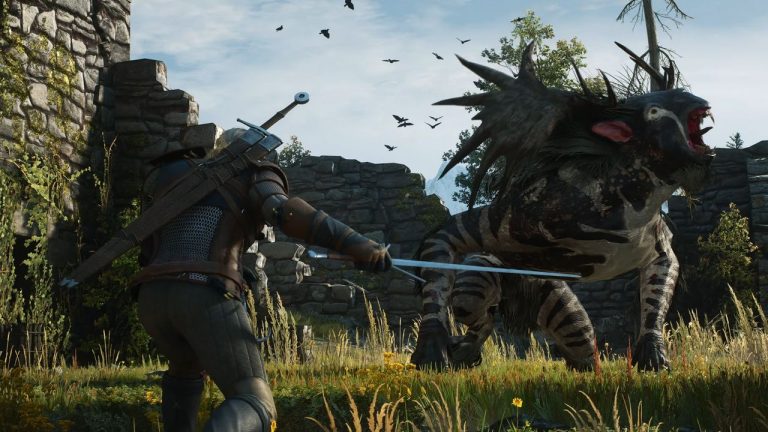

Online gaming enthusiasts faced unexpected disruptions today as server technical difficulties rendered gameplay temporarily inaccessible for numerous users. The development team issued an urgent notice to their community, acknowledging the ongoing problems and assuring players that their technical staff is working diligently to restore full functionality. This type of server outage, while frustrating for dedicated players, represents a common challenge in the increasingly complex world of online gaming infrastructure that serves millions of users simultaneously across the globe.
Understanding Server Outages in Modern Online Gaming
Server disruptions have become an unavoidable aspect of the online gaming landscape, affecting everything from massive multiplayer online games to smaller independent titles. These technical issues can stem from various sources, including hardware failures, software bugs, unexpected traffic spikes, distributed denial-of-service attacks, or routine maintenance procedures that encounter unexpected complications. The interconnected nature of modern gaming infrastructure means that a single point of failure can cascade into widespread service interruptions affecting thousands or even millions of players worldwide. Game developers and publishers typically maintain dedicated teams of network engineers and system administrators who work around the clock to monitor server health and respond to emergencies as they arise.
The economic impact of server downtime extends far beyond player inconvenience. Industry analysts estimate that major online games can lose substantial revenue during outage periods, particularly those operating on subscription models or featuring time-sensitive in-game events. For competitive gaming communities, server issues during tournaments or ranked seasons can have lasting implications for player standings and professional esports schedules. This reality has driven significant investment in server infrastructure, redundancy systems, and rapid response protocols across the gaming industry over the past decade.
The Evolution of Online Gaming Infrastructure
The history of online gaming servers traces back to the early days of multiplayer gaming in the 1990s, when titles like Ultima Online and EverQuest pioneered the concept of persistent online worlds. Since then, the technology has evolved dramatically, with modern games utilizing sophisticated cloud computing solutions, content delivery networks spanning multiple continents, and advanced load-balancing systems designed to handle sudden surges in player activity. Major platforms like Steam, PlayStation Network, and Xbox Live have invested billions of dollars in building resilient infrastructure, yet even these industry giants occasionally experience service disruptions that remind players of the complex technical challenges involved in delivering seamless online experiences.
Game developers have also improved their communication strategies during outages, recognizing that transparent and timely updates help maintain player trust during frustrating situations. Social media platforms, official forums, and dedicated status pages have become essential tools for keeping communities informed about ongoing issues and expected resolution times. The acknowledgment from the development team in today’s incident follows industry best practices by promptly notifying players, taking responsibility for the situation, and expressing appreciation for community patience during the restoration process.
Looking Ahead: Prevention and Player Support
As online gaming continues to grow in popularity and complexity, the industry faces mounting pressure to minimize downtime and enhance server reliability. Emerging technologies such as edge computing, artificial intelligence-driven predictive maintenance, and decentralized gaming platforms offer promising solutions for reducing the frequency and impact of technical disruptions. Many developers have also implemented compensation programs that reward players with in-game currency, items, or extended subscription time following significant outages, acknowledging the inconvenience caused and maintaining positive community relations. For players currently affected by today’s server issues, the development team has encouraged patience while emphasizing their commitment to resolving the problems as quickly as possible and restoring normal gameplay operations.
Expert Opinion: The frequency of server outages across the gaming industry highlights a critical need for continued investment in infrastructure resilience and disaster recovery protocols. As player bases grow and games become more technically demanding, we can expect developers to increasingly adopt hybrid cloud solutions and AI-powered monitoring systems that can predict and prevent failures before they impact users. Companies that prioritize transparent communication during outages will maintain stronger community loyalty in an increasingly competitive market.