
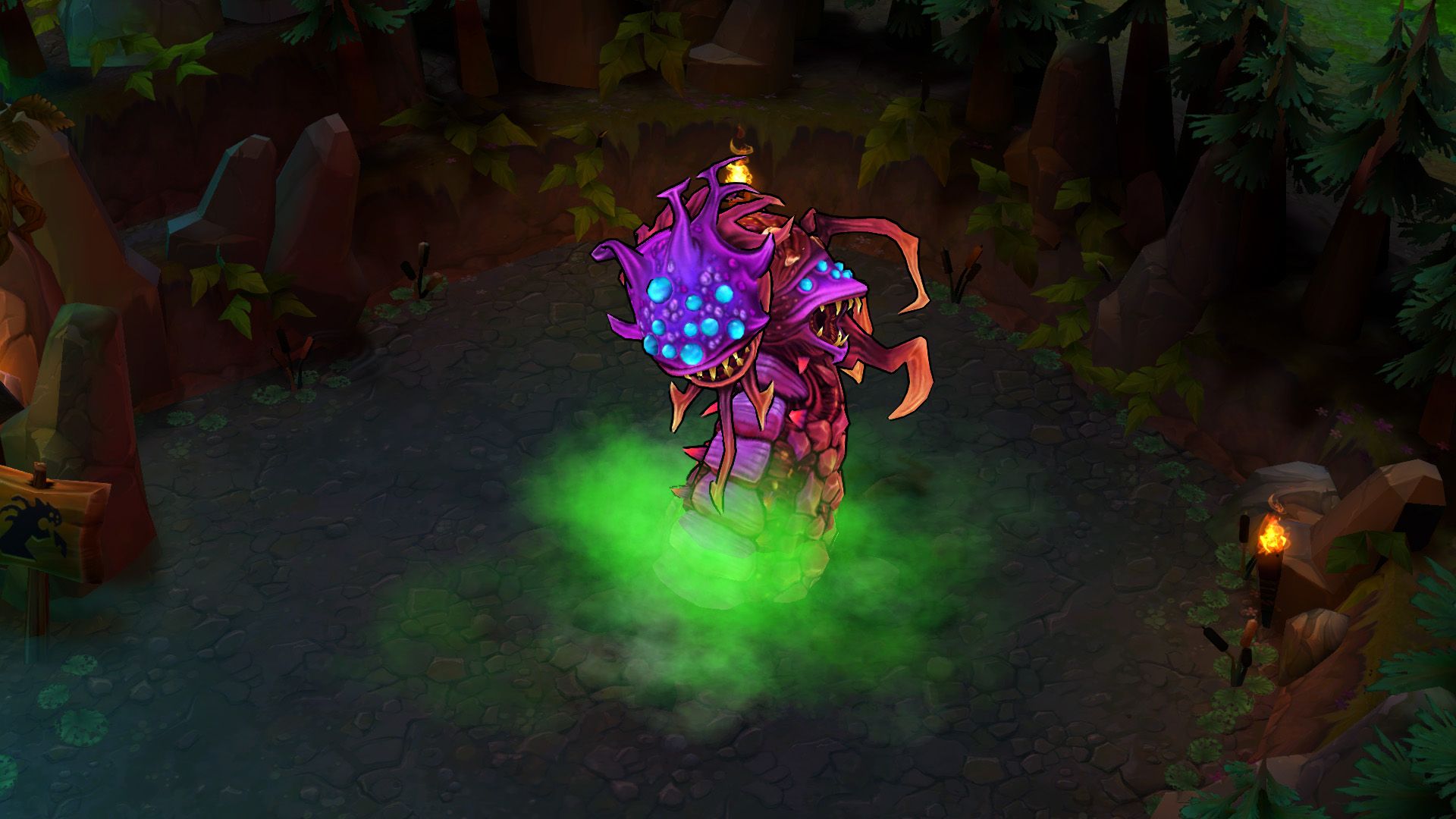
Riot Games has introduced an innovative democratic feature called The Council in League Classic, allowing players to directly influence the direction of the game through community voting. This groundbreaking system empowers the player base to express their opinions on the current state of gameplay, with their collective decisions shaping future updates and modifications. The Council represents a significant shift in how game developers interact with their communities, giving players unprecedented control over the gaming experience they want to create together.
Understanding The Council Voting System
The Council functions as a community poll system where registered League Classic players can cast their votes on various game-related topics. The questions presented to players cover a wide spectrum of gameplay elements, ranging from general opinion surveys about the current meta to specific inquiries about whether certain gameplay mechanics should be added or removed from the game. This dual approach ensures that Riot Games receives both broad feedback about player satisfaction and targeted input on specific features that may need adjustment.
To participate in The Council voting, players typically need to access the feature through the League Classic client interface. The voting periods are usually time-limited, encouraging players to actively engage with the community decision-making process before polls close. Each vote carries equal weight, ensuring that every player’s voice matters regardless of their skill level or time invested in the game. This democratic approach has been praised by gaming industry analysts as a model for other developers seeking to build stronger relationships with their player communities.
Historical Context and Impact on Gameplay
The concept of community-driven game development has evolved significantly over the past decade. While many games have featured suggestion boxes or feedback forums, The Council takes this interaction to a new level by making player votes directly consequential. When the community reaches a consensus on a particular issue, the development team implements changes accordingly, creating a responsive and dynamic gaming environment that truly reflects what players want.
League of Legends has always maintained a strong connection with its massive global player base, which numbers in the hundreds of millions. League Classic, designed to capture the nostalgic essence of earlier versions of the game, benefits particularly from this voting system because it allows the community to collectively decide which classic elements to preserve and which modern improvements to incorporate. This balance between nostalgia and innovation has proven crucial to maintaining player engagement in retro gaming experiences.
Best Practices for Participating in The Council
Players looking to make the most of their Council votes should stay informed about current game balance discussions and meta developments. Understanding how potential changes might affect different play styles and champion selections helps voters make more informed decisions. Many dedicated players follow community discussions on forums, social media, and content creator channels to gain diverse perspectives before casting their votes. Additionally, participating in multiple voting cycles helps players understand how their collective decisions translate into actual game changes, fostering a deeper sense of community ownership over League Classic’s evolution.
The success of The Council depends on active participation from a diverse cross-section of the player base. Riot Games has emphasized that they want input from casual players and competitive enthusiasts alike, recognizing that different perspectives contribute to a more balanced and enjoyable game for everyone. As League Classic continues to evolve through this collaborative process, The Council stands as a testament to the power of community engagement in modern game development.
Expert Opinion: The Council represents a fascinating experiment in collaborative game design that could reshape industry standards. If successful, we may see other major developers adopting similar democratic systems, fundamentally changing the relationship between studios and players. However, the long-term challenge will be balancing majority preferences with maintaining game integrity and preventing potential manipulation of voting outcomes.