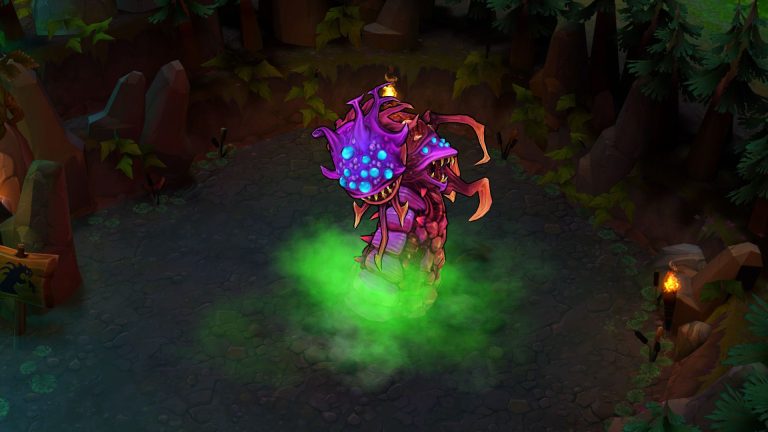
The latest episode of HBO’s Lanterns has finally unveiled a season-spanning threat that eagle-eyed viewers spotted in early promotional materials: The Manhunters. This revelation marks a significant moment for the television series, bringing one of the Green Lantern mythology’s most compelling antagonistic forces to the small screen. While comic book enthusiasts have been familiar with these robotic enforcers since their debut in the 1970s, many viewers may not realize that these villains actually made their video game debut in a largely forgotten DC gaming title that predates the current streaming era by decades.
The Manhunters represent one of the most fascinating elements of Green Lantern lore, serving as the original peacekeeping force created by the Guardians of the Universe billions of years ago. These android enforcers were designed to maintain order across the cosmos, but their rigid interpretation of justice eventually led to catastrophic consequences. The Manhunters famously massacred an entire space sector in what became known as the Massacre of Sector 666, believing that eliminating all life was the most efficient way to eliminate crime. This horrific event led the Guardians to decommission the Manhunters and create the Green Lantern Corps as their replacement, using willpower-wielding organic beings instead of emotionless machines.
The Forgotten Video Game Origins
What many fans fail to remember is that the Manhunters actually made their interactive entertainment debut in a video game that has largely faded from collective memory. During the late 1980s and early 1990s, DC Comics licensed several properties for gaming adaptations, and the Green Lantern universe received attention from developers looking to capitalize on the rich cosmic mythology. These early games, while primitive by today’s standards, introduced players to various elements of the Green Lantern mythology, including the Manhunters as formidable adversaries. The limited graphics and gameplay mechanics of the era meant these appearances were brief, but they planted seeds in the minds of gamers who would later become comic book readers and vice versa.
The inclusion of the Manhunters in these obscure gaming titles demonstrated how DC Comics recognized the narrative potential of these villains long before modern adaptations. Unlike other Green Lantern antagonists such as Sinestro or the various Lantern Corps of different emotional spectrums, the Manhunters represent something more primal: the fear of being replaced by something supposedly superior. This thematic resonance makes them particularly relevant in contemporary storytelling, where anxieties about artificial intelligence and automation have become mainstream concerns.
Why The Manhunters Work Perfectly For Lanterns
HBO’s Lanterns has distinguished itself from previous Green Lantern adaptations by taking a more grounded, noir-influenced approach to the material. Starring Kyle Chandler as Hal Jordan and Aaron Pierre as John Stewart, the series follows the two Lanterns as they investigate a mysterious murder in the American heartland. The show’s emphasis on themes of replacement and succession makes the Manhunters an ideal antagonistic force. John Stewart represents the newer generation of Green Lanterns, while Hal Jordan embodies the veteran perspective, creating natural tension that mirrors the historical conflict between the Manhunters and their Lantern replacements.
The Manhunters’ shapeshifting abilities, which have been teased in the HBO series, add another layer of paranoia and suspense to the proceedings. Unlike their purely robotic comic book counterparts, these adapted Manhunters appear capable of infiltrating human society undetected, raising the stakes considerably. This modification to their abilities demonstrates how modern adaptations can evolve classic comic book concepts while maintaining their essential thematic core. The fear of the unknown, combined with questions about what makes someone truly human or worthy of trust, elevates Lanterns beyond typical superhero fare.
The Legacy Of Green Lantern Villains In Media
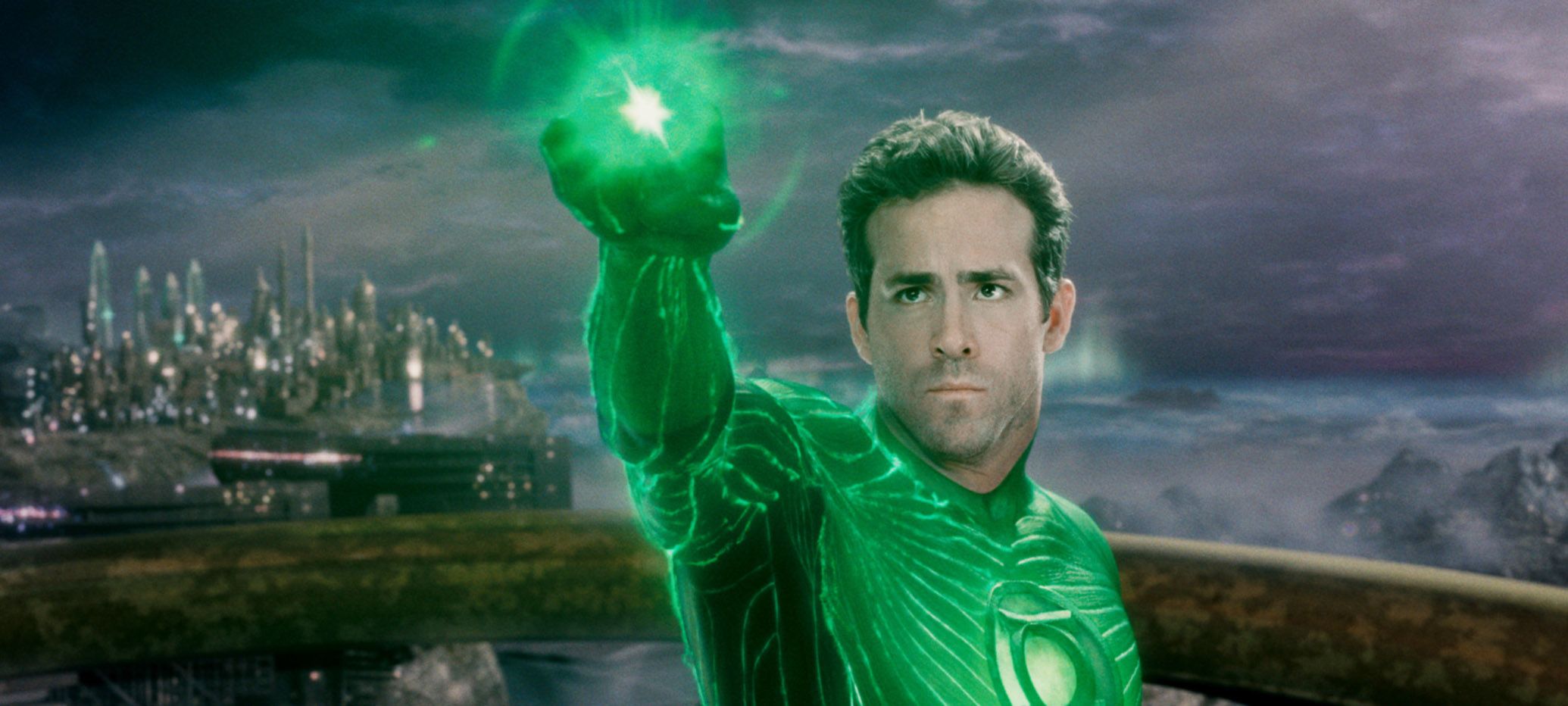
Throughout various media adaptations, Green Lantern villains have struggled to achieve the same cultural recognition as antagonists from other superhero franchises. The 2011 Green Lantern film attempted to introduce Parallax as its primary threat, but the movie’s commercial and critical failure prevented that villain from becoming iconic. The Manhunters, with their rich backstory and thematic complexity, offer HBO’s Lanterns an opportunity to establish a memorable antagonistic presence that could resonate with audiences unfamiliar with the comics. Their connection to the very origins of the Green Lantern Corps provides narrative depth that superficially powerful villains often lack.
As Lanterns continues its first season, the gradual revelation of the Manhunters’ involvement suggests a carefully constructed mystery that rewards patient viewers. The show’s creative team has clearly done their homework, mining decades of comic book history to find villains whose themes align perfectly with the story being told. Whether audiences remember those obscure video games from decades past or are encountering the Manhunters for the first time, HBO’s adaptation promises to give these android antagonists the attention they have long deserved.
Expert Opinion: The strategic deployment of the Manhunters in HBO’s Lanterns represents a sophisticated understanding of how legacy villains can be modernized for contemporary audiences. By grounding these cosmic threats in a noir-style investigation with themes of replacement anxiety, the series positions itself to achieve what the 2011 film could not: creating lasting cultural relevance for Green Lantern antagonists. Expect the Manhunters to become breakout villains if the series maintains its current quality trajectory.