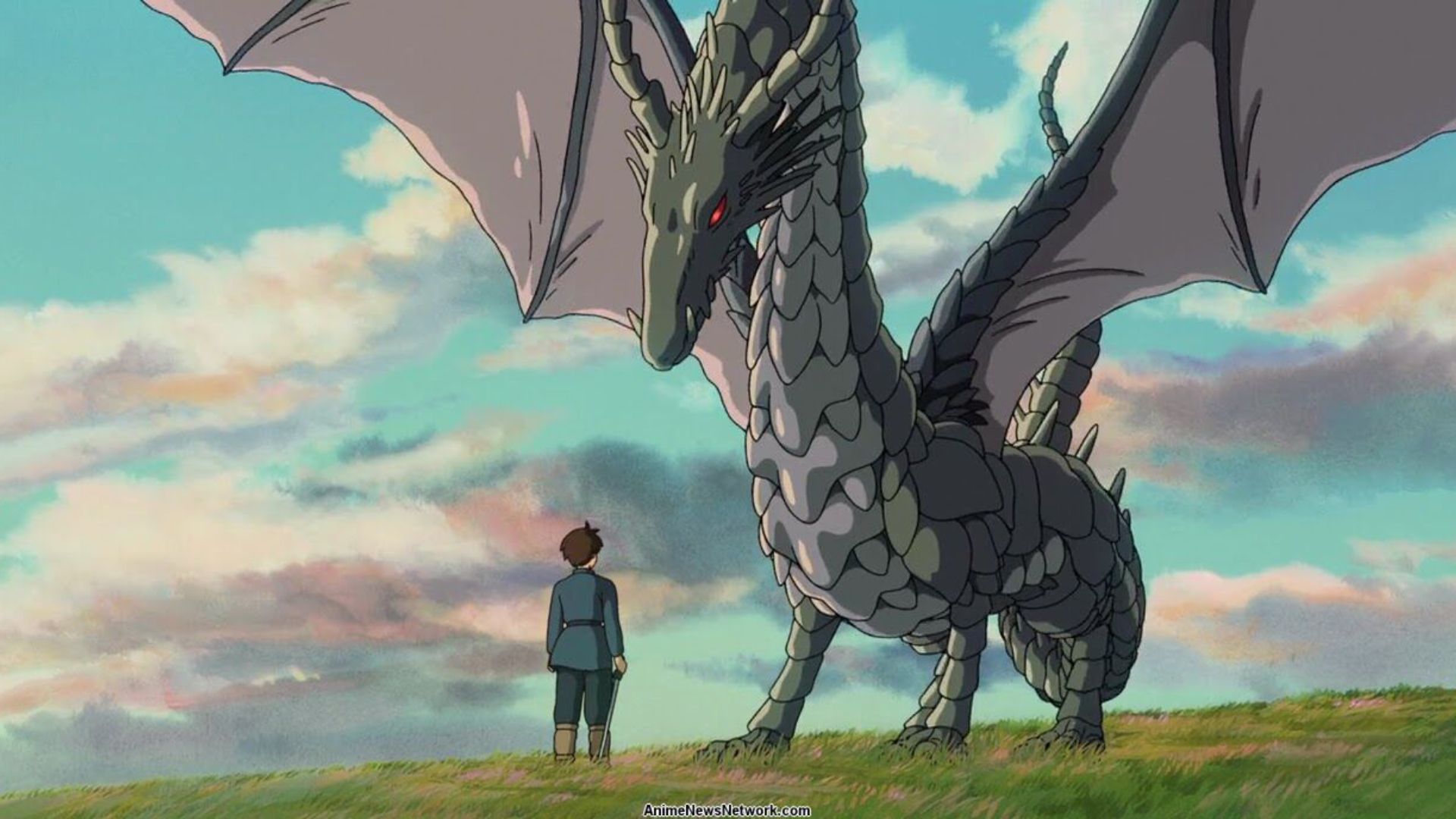
Studio Ghibli has weathered surprisingly few genuine critical disappointments across its remarkable four-decade history. The legendary Japanese animation house has built its reputation on producing some of the most beloved and visually stunning animated films ever created, from the enchanting worlds of Spirited Away to the heartfelt narratives of My Neighbor Totoro. Calling a Studio Ghibli movie “bad” almost feels like a contradiction in terms, given the studio’s consistent track record of excellence. While the studio does have a few “lesser” films in its extensive catalog, including the CGI experiment Earwig and the Witch and the made-for-television Ocean Waves, no Ghibli production has been more persistently labeled as the studio’s weakest entry than Tales from Earthsea. The film, which celebrates its 20th anniversary next month, is returning to North American theaters for a special commemorative theatrical release.
The Troubled Production Behind Tales from Earthsea
Tales from Earthsea holds a unique and somewhat controversial place in Studio Ghibli’s storied history. Released in Japan in July 2006, the film marked the directorial debut of Goro Miyazaki, son of the studio’s legendary co-founder Hayao Miyazaki. The decision to hand such an ambitious project to a first-time director created significant tension within the studio, with the elder Miyazaki reportedly opposing his son’s appointment to the role. This familial conflict became a matter of public record and added an uncomfortable backdrop to the film’s production and release. Goro Miyazaki, who had previously worked as a museum designer and landscape architect rather than an animator, faced immense pressure to live up to his father’s towering legacy while simultaneously navigating a strained personal relationship that played out in the media.
The source material for the film came from Ursula K. Le Guin’s celebrated Earthsea fantasy novel series, a beloved work of literature that Hayao Miyazaki had attempted to adapt for decades without success. Le Guin had previously declined Miyazaki’s requests, making it all the more surprising when she eventually granted permission to Ghibli, only for the project to be directed by his relatively inexperienced son. After viewing the completed film, Le Guin expressed her disappointment publicly, noting that the adaptation took significant liberties with her carefully crafted world and characters. She acknowledged the visual beauty of the animation while criticizing the narrative choices that departed substantially from her original vision.
Critical Reception and Box Office Performance
Upon its release, Tales from Earthsea received a decidedly mixed reception that stood in stark contrast to the near-universal acclaim typically afforded to Studio Ghibli productions. Japanese critics were particularly harsh, and the film received the unusual distinction of winning the Bunshun Raspberry Award for Worst Picture in Japan, a painful accolade for any Ghibli release. Western critics similarly expressed disappointment, pointing to the film’s uneven pacing, underdeveloped characters, and a narrative that felt disjointed compared to the studio’s usual storytelling prowess. Despite the critical backlash, the film performed reasonably well at the Japanese box office, benefiting from the Ghibli brand name and curiosity surrounding the Miyazaki family drama. It earned approximately 7.6 billion yen domestically, making it one of the higher-grossing Japanese films of 2006, though this success was attributed more to the studio’s reputation than the film’s own merits.
The film’s themes of ecological destruction, the balance between life and death, and the consequences of immortality-seeking are quintessentially Ghibli concerns, yet many felt these ideas were explored more successfully in other studio productions. Comparisons to Hayao Miyazaki’s masterworks were perhaps inevitable and ultimately unfair to a first-time director, but they nonetheless colored the film’s reception. Over the years, some defenders have emerged, arguing that Tales from Earthsea deserves reevaluation as a flawed but ambitious attempt at dark fantasy storytelling within the traditionally family-friendly Ghibli framework.
A Second Chance on the Big Screen
The 20th anniversary theatrical re-release offers contemporary audiences an opportunity to experience Tales from Earthsea on the big screen, where its undeniable visual achievements can be fully appreciated. Whatever criticisms have been leveled at the film’s narrative structure, few have disputed the quality of its animation, which showcases the meticulous craftsmanship that remains a Studio Ghibli hallmark. The sweeping landscapes of the Earthsea archipelago, the detailed character designs, and the atmospheric world-building demonstrate that even a “lesser” Ghibli film operates on a technical level that surpasses most animated productions. For fans who have never seen the film theatrically, this re-release provides a chance to judge the work on its own terms, separate from the baggage of its complicated production history and family drama.
Goro Miyazaki has continued working with Studio Ghibli in the years since Tales from Earthsea, directing the well-received From Up on Poppy Hill in 2011 and the aforementioned Earwig and the Witch in 2020. His growth as a filmmaker and his reconciliation with his father have become part of Ghibli’s ongoing narrative, making this anniversary release feel like more than just a commercial endeavor. It represents an opportunity for reflection on artistic inheritance, creative risk-taking, and the unique pressures faced by those working in the shadow of greatness.
Expert Opinion: Anniversary re-releases often serve as critical rehabilitation opportunities for misunderstood films, and Tales from Earthsea may benefit from audiences viewing it with fresh eyes and lowered expectations. The growing appreciation for darker anime narratives among Western audiences, combined with Studio Ghibli’s expanded streaming presence through Netflix, could introduce the film to viewers more receptive to its ambitious but imperfect storytelling approach.