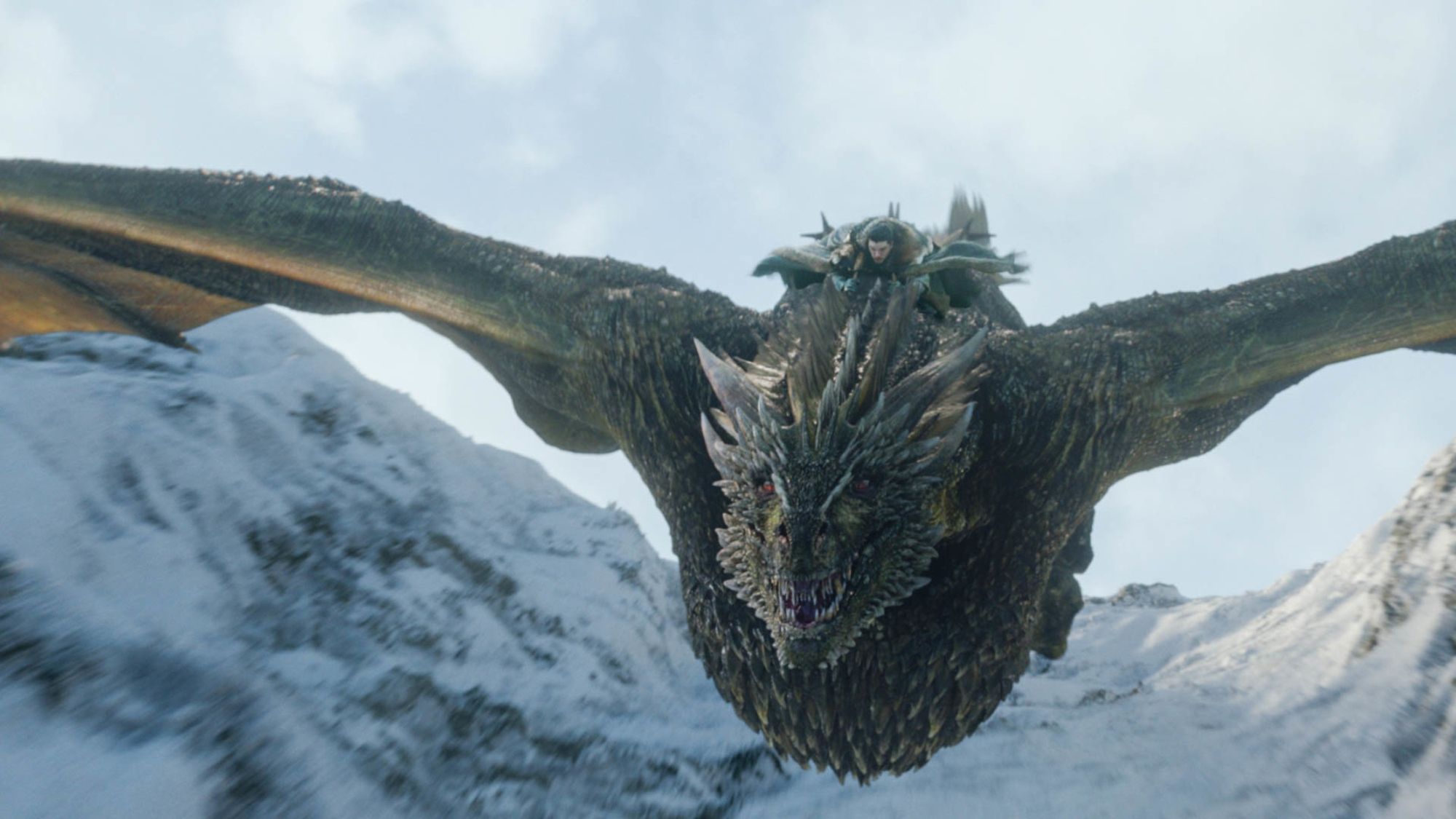
The world of Westeros continues to captivate audiences years after the original series concluded, and now one of the most beloved and tragically lost characters is making an unexpected return. Rhaegal, the emerald-scaled dragon named after Daenerys Targaryen’s brother Rhaegar, has officially returned to the franchise in a meaningful way, bringing with him a wave of nostalgia and renewed excitement among the devoted fanbase. This resurrection of sorts comes as welcome news to viewers who never quite recovered from the dragon’s controversial demise in the final season of HBO’s groundbreaking fantasy epic.
There was no shortage of controversial moments in HBO’s final seasons of Game of Thrones, but arguably the most devastating and divisive of them all was the tragic slaying of Rhaegal, the second of Daenerys’s dragons to suffer a horrible end. His death at the hands of Euron Greyjoy’s Iron Fleet was particularly upsetting after fans were left traumatized by the Night King taking down Viserion in the previous season and returning him as an undead Wight dragon. The manner in which Rhaegal met his end—struck by three scorpion bolts fired with seemingly impossible accuracy from ships hidden behind a rocky outcropping—sparked immediate backlash from fans who felt the scene defied logical storytelling and undermined years of character development.
The Legacy of Daenerys’s Dragons
Rhaegal’s significance in the Game of Thrones narrative extends far beyond his role as simply one of Daenerys’s three dragons. Named after Rhaegar Targaryen, the deceased prince who was secretly Jon Snow’s father, Rhaegal carried profound symbolic weight throughout the series. The dragon’s green and bronze coloring distinguished him from his brothers Drogon and Viserion, and his eventual bonding with Jon Snow in Season 8 represented a pivotal moment that confirmed Jon’s Targaryen heritage in a visceral, undeniable way. When Jon mounted Rhaegal for the first time, it marked only the second time in the series that anyone other than Daenerys had ridden a dragon, echoing ancient Targaryen traditions where dragons chose their riders based on bloodline.
The dragons themselves have always been central to the appeal of Game of Thrones, representing the magical elements that elevated the series beyond typical medieval drama. Born from petrified eggs that were believed to be nothing more than decorative stones, Drogon, Rhaegal, and Viserion emerged from Khal Drogo’s funeral pyre in one of television’s most iconic scenes. Their growth from tiny hatchlings to fearsome weapons of war paralleled Daenerys’s own transformation from exiled princess to conquering queen. The visual effects teams at HBO invested countless hours perfecting the dragons’ movements, fire-breathing capabilities, and interactions with human characters, creating creatures that felt genuinely alive and emotionally resonant.
Fan Reactions and Lasting Impact
The death of Rhaegal remains one of the most discussed moments in television history, frequently cited in analyses of the final season’s perceived shortcomings. Critics and fans alike questioned the tactical logic of the scene, noting that Daenerys somehow failed to spot an entire enemy fleet from her aerial vantage point. The pinpoint accuracy of Euron’s scorpion bolts, which struck Rhaegal three times in rapid succession, contrasted sharply with the weapons’ apparent ineffectiveness against Drogon in subsequent episodes. This inconsistency fueled ongoing debates about rushed storytelling and the challenges faced by showrunners David Benioff and D.B. Weiss when they moved beyond George R.R. Martin’s published source material.
The return of Rhaegal in some capacity—whether through prequel series, spin-off content, or expanded universe materials—speaks to HBO’s recognition of the character’s enduring popularity. The network has invested heavily in expanding the Game of Thrones universe, with House of the Dragon proving that audiences remain hungry for dragon-centric storytelling. House of the Dragon, set nearly 200 years before the events of the original series, features numerous dragons and explores the Targaryen civil war known as the Dance of the Dragons, providing fans with the dragon content they craved. The success of this prequel demonstrates that the mistakes of the original series’ finale have not dampened enthusiasm for the broader world created by George R.R. Martin.
Looking Ahead in the Expanding Universe
As HBO continues to develop new projects within the Game of Thrones universe, the legacy of characters like Rhaegal serves as both inspiration and cautionary tale. Future productions must balance spectacle with coherent storytelling, ensuring that beloved characters—whether human or dragon—receive narratives worthy of audience investment. The passionate response to Rhaegal’s return demonstrates that fans remain deeply connected to these fictional creatures, viewing them not merely as special effects showcases but as genuine characters with emotional significance. This enduring attachment suggests that dragons will continue to soar through Westeros’s skies for many years to come, captivating new generations of viewers while honoring the legacy that made Game of Thrones a cultural phenomenon.
Expert Opinion: The strategic decision to bring Rhaegal back into the franchise spotlight reflects HBO’s broader understanding that the Game of Thrones brand remains incredibly valuable despite divisive final season reception. Industry analysts predict that leveraging nostalgic connections to beloved elements like the dragons will be crucial for maintaining audience engagement across multiple spin-off projects. The key challenge moving forward will be ensuring these returns feel organic to storytelling rather than purely commercial, as modern audiences are increasingly sophisticated in detecting fan service that lacks narrative substance.