
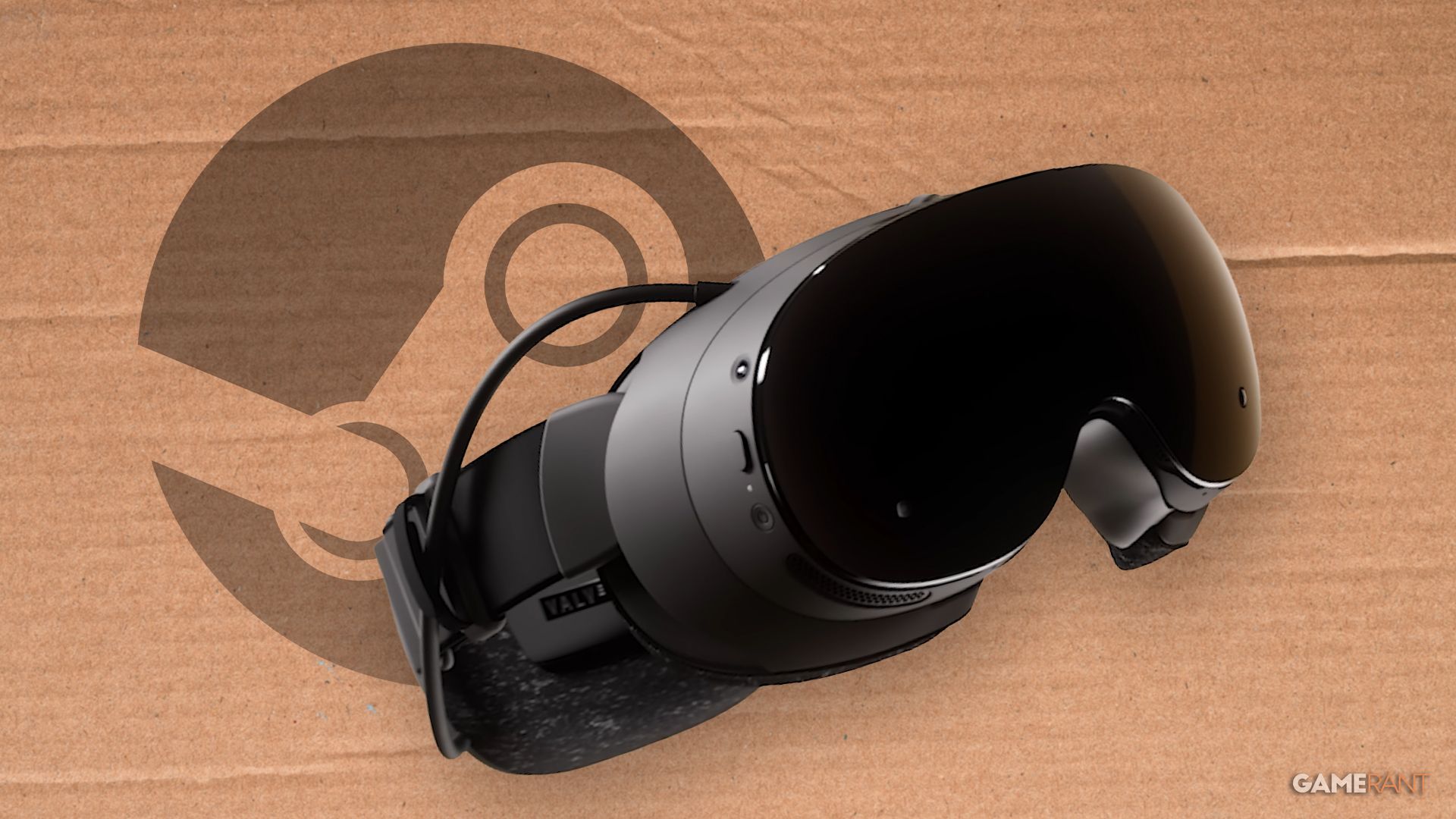
In a surprising turn of events, instructional videos detailing the setup process for Valve’s upcoming Steam Frame virtual reality headset have surfaced on social media platforms, despite the device not yet being officially released or even made available for purchase. The leaked footage provides an early glimpse into what consumers can expect when unboxing and configuring Valve’s latest venture into the VR hardware market. According to the available information, the Steam Frame will enable users who own a Steam Machine or a PC equipped with a capable graphics card to experience supported SteamVR titles in immersive virtual reality.
The premature appearance of these setup videos has generated significant buzz within the gaming and technology communities, with enthusiasts eagerly analyzing every frame for hints about the device’s features, design philosophy, and potential performance capabilities. While Valve has maintained its characteristic silence regarding the leak, the videos suggest a user-friendly setup process that could lower the barrier to entry for VR newcomers while still satisfying the demands of experienced virtual reality users.
Valve’s History in Virtual Reality Hardware
Valve Corporation has been a significant player in the virtual reality space for nearly a decade. The company first entered the VR hardware market with the HTC Vive in 2016, a collaboration with Taiwanese electronics manufacturer HTC. This partnership helped establish room-scale VR as a viable consumer product and set new standards for tracking accuracy and immersion. In 2019, Valve released the Valve Index, its first fully in-house VR headset, which was praised for its high refresh rate display, excellent audio quality, and innovative finger-tracking controllers. The Index quickly became a favorite among VR enthusiasts despite its premium price point of approximately one thousand dollars for the full kit.
The Steam Frame appears to represent Valve’s continued commitment to advancing virtual reality technology and expanding its ecosystem. The company’s SteamVR platform remains one of the largest repositories of VR content, hosting thousands of titles ranging from indie experiments to AAA gaming experiences. By developing hardware that seamlessly integrates with this software ecosystem, Valve positions itself uniquely in the market compared to competitors like Meta, Sony, and Apple who maintain their own closed or semi-closed platforms.
Market Implications and Industry Context
The timing of the Steam Frame leak comes during a particularly dynamic period for the virtual reality industry. Meta continues to dominate the standalone VR market with its Quest series, while Apple’s Vision Pro has introduced spatial computing concepts to a mainstream audience, albeit at a significantly higher price point. Sony’s PlayStation VR2 caters specifically to console gamers, creating clear market segmentation. Valve’s Steam Frame could potentially bridge the gap between high-end PC VR experiences and more accessible consumer devices, though specific pricing and specifications remain unconfirmed pending official announcements.
Industry analysts have noted that hardware leaks of this nature, while frustrating for manufacturers, often serve to build anticipation and generate organic marketing momentum. The gaming community’s response to the leaked videos has been overwhelmingly positive, with many expressing excitement about the prospect of a new Valve hardware release. Virtual reality adoption has continued to grow steadily, with market research firms projecting the global VR market to exceed fifty billion dollars by 2028. Valve’s entry with a new device could accelerate this growth, particularly among PC gaming enthusiasts who have historically driven early adoption of new technologies.
What We Know So Far About Steam Frame
Based on the leaked setup videos and community speculation, the Steam Frame appears designed with accessibility and ease of use in mind. The integration with Steam Machine suggests Valve may be reviving interest in its living room gaming concept, potentially offering a more streamlined VR experience compared to traditional PC setups. The requirement for a capable graphics card indicates this will not be a standalone device like Meta’s Quest headsets, instead relying on external processing power to deliver high-fidelity visual experiences. Valve has not confirmed any official specifications, pricing, or release date for the Steam Frame, leaving much of the technical details subject to speculation until an official announcement is made.
Expert Opinion: The leak of Steam Frame setup videos suggests Valve is in advanced stages of preparation for a commercial launch, likely within the next several months. Given Valve’s track record with the Index and their dominant position in PC gaming distribution, the Steam Frame could potentially disrupt the current VR market hierarchy by offering a compelling middle-ground option between expensive high-end headsets and standalone devices with limited graphical capabilities. The company’s vast software library and established user base of over 130 million active Steam accounts provide a significant competitive advantage that competitors will find difficult to match.