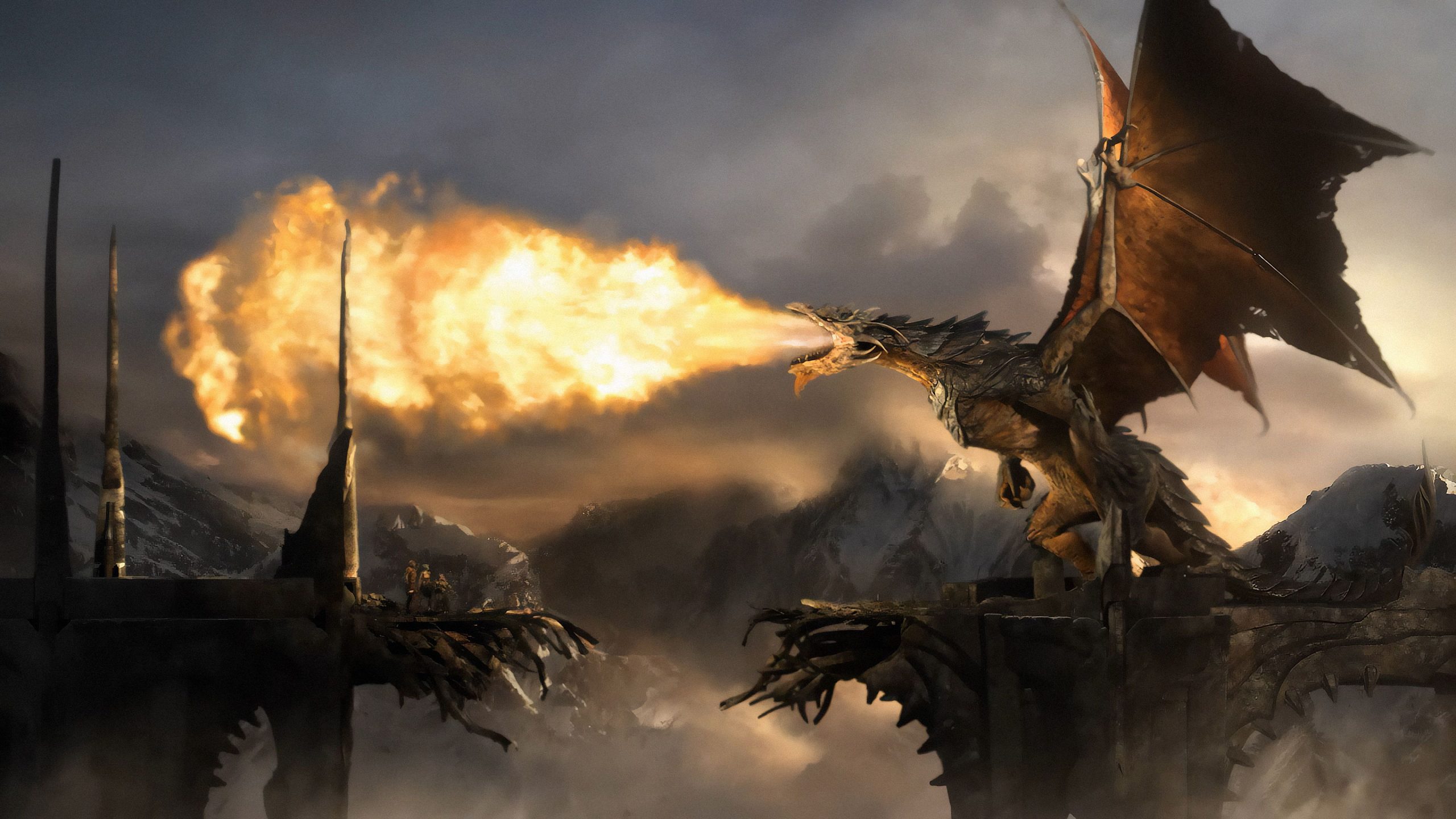
The Lord of the Rings franchise has enjoyed a long and storied history in the video game industry, with some titles achieving legendary status among fans while others have quietly faded into obscurity. During the golden age of licensed gaming in the early 2000s, publisher Electronic Arts delivered a remarkable lineup of Middle-earth adventures, including the critically acclaimed The Return of the King, the strategic masterpiece The Battle for Middle-earth, and the surprisingly deep RPG The Third Age. These games captured the magic of Peter Jackson’s groundbreaking film trilogy and translated Tolkien’s rich world into interactive experiences that resonated with millions of players worldwide. However, when the license transferred to Warner Bros. Interactive Entertainment, the quality became notably inconsistent, leading to titles that struggled to match their predecessors’ excellence.
Warner Bros. wasted little time attempting to capitalize on the valuable intellectual property, first releasing the family-friendly Aragorn’s Quest in 2010 before following up with The Lord of the Rings: War in the North in 2011. Developed by Snowblind Studios, known for their work on the Baldur’s Gate: Dark Alliance series, War in the North promised to deliver a mature, action-RPG experience set in the northern regions of Middle-earth during the events of the War of the Ring. The game focused on an original trio of heroes — a human ranger, an elven mage, and a dwarven warrior — whose parallel adventure supposedly contributed to the Fellowship’s ultimate success against Sauron. Now, with the release of the Legacy Edition, players have an opportunity to revisit this forgotten chapter of Middle-earth gaming history.
A Cooperative Adventure That Falls Short of Its Potential
War in the North was designed from the ground up as a cooperative experience, allowing up to three players to team up locally or online to battle through the forces of Agandaûr, a dark sorcerer serving as Sauron’s lieutenant in the northern territories. The game’s combat system drew heavily from hack-and-slash traditions, featuring light and heavy attacks, special abilities, and a loot system reminiscent of games like Diablo. On paper, the concept seemed promising — exploring untold stories from Tolkien’s legendarium while fighting alongside friends through brutal, M-rated combat that included dismemberment and visceral finishing moves. Unfortunately, the execution left much to be desired, resulting in repetitive gameplay loops, uninspired level design, and AI companions that proved more frustrating than helpful during solo play.
The Legacy Edition brings this 2011 title to modern platforms with minimal enhancements, essentially offering the same experience that received mixed reviews upon its original release. While the game runs smoothly on current hardware and includes all previously released DLC content, it does little to address the fundamental issues that plagued the original version. The combat remains serviceable but shallow, lacking the depth and variety needed to sustain interest across the campaign’s roughly twelve-hour runtime. Enemy encounters quickly become monotonous, with waves of orcs, goblins, and trolls providing little strategic challenge beyond button-mashing through their health bars. The role-playing elements, including skill trees and equipment upgrades, fail to meaningfully impact the gameplay experience in satisfying ways.
Legacy Edition Fails to Modernize a Dated Experience
Perhaps the most disappointing aspect of this re-release is the missed opportunity for meaningful improvements. In an era where classic games regularly receive comprehensive remasters with updated graphics, refined gameplay mechanics, and quality-of-life enhancements, War in the North: Legacy Edition feels like a bare-minimum port designed to capitalize on nostalgia rather than revitalize a flawed gem. The visuals, while functional, betray the game’s age at every turn, with character models, environments, and effects that fail to meet contemporary standards. The narrative, which attempts to expand upon Tolkien’s lore by introducing original characters and locations, never achieves the gravitas or emotional resonance of its source material, leaving players with a forgettable story that struggles to justify its existence within Middle-earth canon.
The timing of this release also invites unfavorable comparisons to more successful Middle-earth adaptations. Monolith Productions’ Shadow of Mordor and Shadow of War demonstrated how to create compelling original stories within Tolkien’s universe while delivering innovative gameplay through the revolutionary Nemesis System. Meanwhile, War in the North serves as a reminder of the licensed game formula’s limitations — competent but uninspired, functional but forgettable. For dedicated Tolkien enthusiasts or players seeking a cooperative action-RPG to enjoy with friends, the Legacy Edition might provide a few hours of mindless entertainment. However, those expecting a hidden classic deserving of rediscovery will find only confirmation that some games fade into obscurity for very good reasons. At its core, War in the North remains exactly what it was fifteen years ago: a thoroughly mediocre experience that fails to do justice to one of fantasy literature’s most beloved worlds.
Expert Opinion: The release of War in the North: Legacy Edition represents a troubling trend in the gaming industry where publishers prioritize quick re-releases over meaningful remasters. With Amazon’s upcoming Rings of Power tie-in games and new Middle-earth projects in development, Warner Bros. appears to be testing market appetite for Tolkien content rather than delivering genuine value. Players would be better served waiting for fresh interpretations of Middle-earth rather than revisiting this fundamentally flawed relic from a transitional era in licensed gaming.