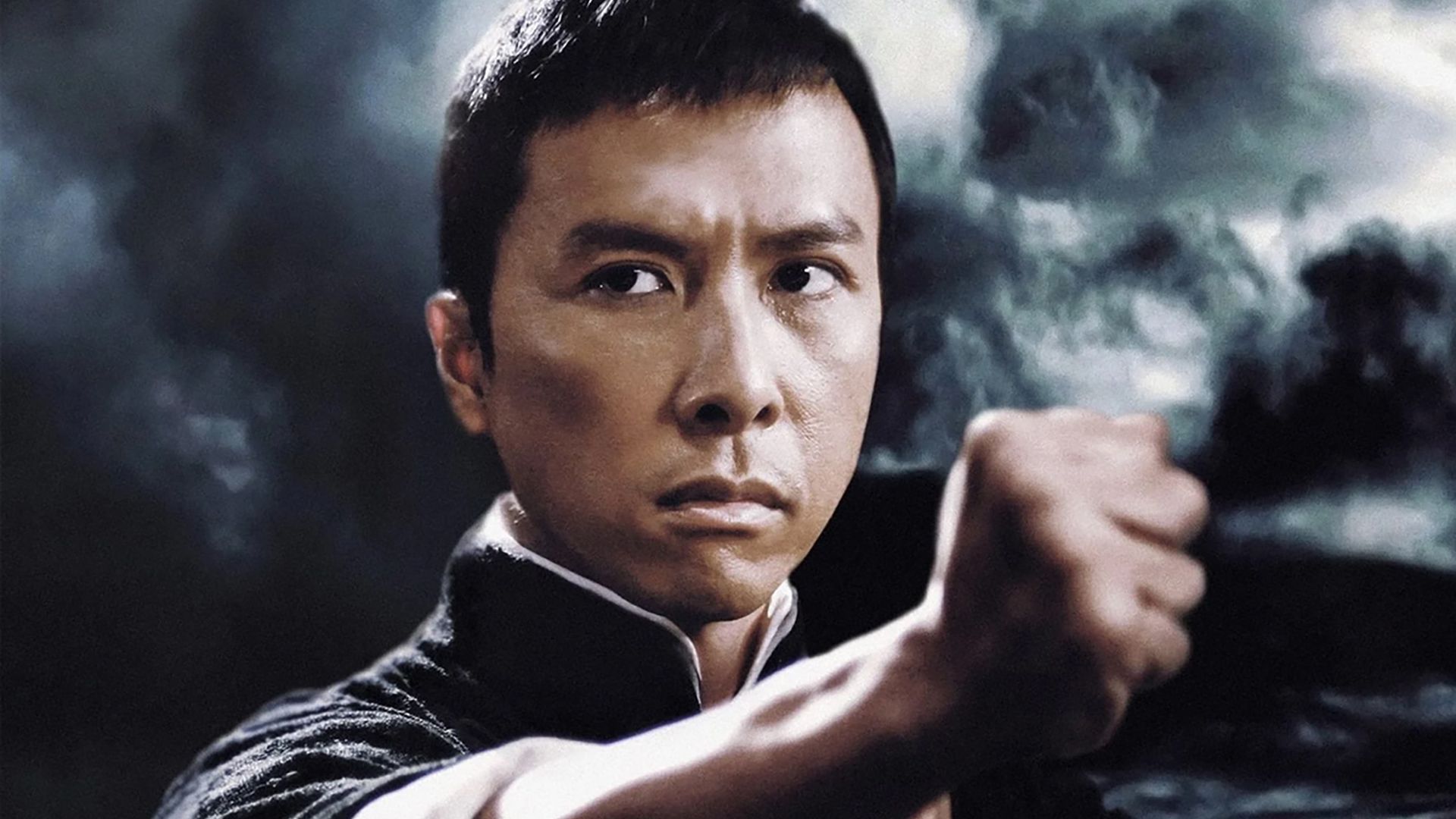
Hong Kong martial arts legend Donnie Yen has officially signed on for a brand-new project that appears to be a direct callback to one of his most iconic performances from 2004. The announcement has sent waves of excitement through the action film community, as fans eagerly anticipate seeing the veteran performer return to his roots in what promises to be a spectacular showcase of his legendary skills. Yen, who has spent over four decades perfecting his craft in front of the camera, continues to demonstrate why he remains one of the most respected figures in martial arts cinema worldwide.
The 61-year-old actor has built an extraordinary career that spans multiple decades and continents, earning recognition not only in Asian cinema but also in major Hollywood productions. His portrayal of Wing Chun grandmaster Ip Man in the beloved film series of the same name cemented his status as a modern martial arts icon. Beyond these signature roles, Yen has expanded his reach to global audiences through appearances in major franchises including Star Wars: Rogue One, where he played the blind warrior Chirrut Îmwe, and John Wick: Chapter 4, where his performance as the assassin Caine earned widespread critical acclaim.
The Significance of the 2004 Connection
The year 2004 marked a pivotal moment in Donnie Yen’s career, during which he delivered several memorable performances that showcased the full range of his martial arts abilities. This period represented a creative peak for the actor, who was actively pushing the boundaries of action choreography in Hong Kong cinema. His work during this era helped redefine what audiences expected from martial arts films, blending traditional techniques with innovative cinematography and storytelling approaches that would influence the genre for years to come.
Throughout the early 2000s, Yen was instrumental in revolutionizing fight choreography in Asian cinema. He served as both actor and action director on numerous projects, bringing a level of authenticity and creativity that set new standards for the industry. His commitment to performing his own stunts and his deep understanding of various martial arts disciplines, including Tai Chi, Wing Chun, and mixed martial arts, allowed him to create fight sequences that felt both visceral and artistically compelling. The callback to this legendary period suggests that his upcoming project may embrace the raw, kinetic energy that defined his earlier work.
A Career Built on Dedication and Innovation
Born in Guangzhou, China, and raised in Hong Kong and Boston, Donnie Yen began studying martial arts at a young age under the guidance of his mother, Bow-sim Mark, a renowned martial arts master and tai chi grandmaster. This early training laid the foundation for what would become one of the most impressive careers in action cinema history. His unique background, straddling both Eastern and Western cultures, has allowed him to serve as a bridge between Hollywood and Asian cinema, bringing martial arts to global audiences in increasingly sophisticated ways.
Yen’s influence extends far beyond his on-screen performances. As an action choreographer and director, he has shaped the visual language of modern martial arts films. His work has inspired countless filmmakers and performers, and his dedication to practical effects and authentic fight choreography has helped maintain the artistic integrity of the genre in an era increasingly dominated by computer-generated imagery. Industry analysts note that his return to a style reminiscent of his 2004 work could signal a broader industry trend toward more grounded, physically authentic action sequences.
What This Announcement Means for Fans
For longtime admirers of Donnie Yen’s work, this new project represents an exciting opportunity to see the master performer revisit the style that first made him a legend. While details about the specific production remain limited, the confirmation of the 2004 callback has generated substantial buzz on social media and within martial arts film communities. Fans are speculating about potential collaborators, storylines, and the type of action sequences that might be featured in what could be another landmark entry in Yen’s filmography.
The announcement also underscores Yen’s remarkable longevity in an industry that often favors younger performers. His ability to continue delivering physically demanding performances well into his sixties speaks to his exceptional conditioning and unwavering dedication to his craft. As production details emerge in the coming months, audiences around the world will be watching closely to see how this legendary performer honors his past while continuing to push the boundaries of what martial arts cinema can achieve.
Expert Opinion: This strategic callback to Yen’s 2004 era suggests producers recognize the enduring appetite for authentic, practically choreographed martial arts content. Given the current Hollywood trend of nostalgia-driven projects and the proven box office success of Yen’s recent Western productions, this film could potentially bridge the gap between classic Hong Kong action cinema and contemporary global audiences, possibly reinvigorating interest in traditional martial arts filmmaking techniques.