
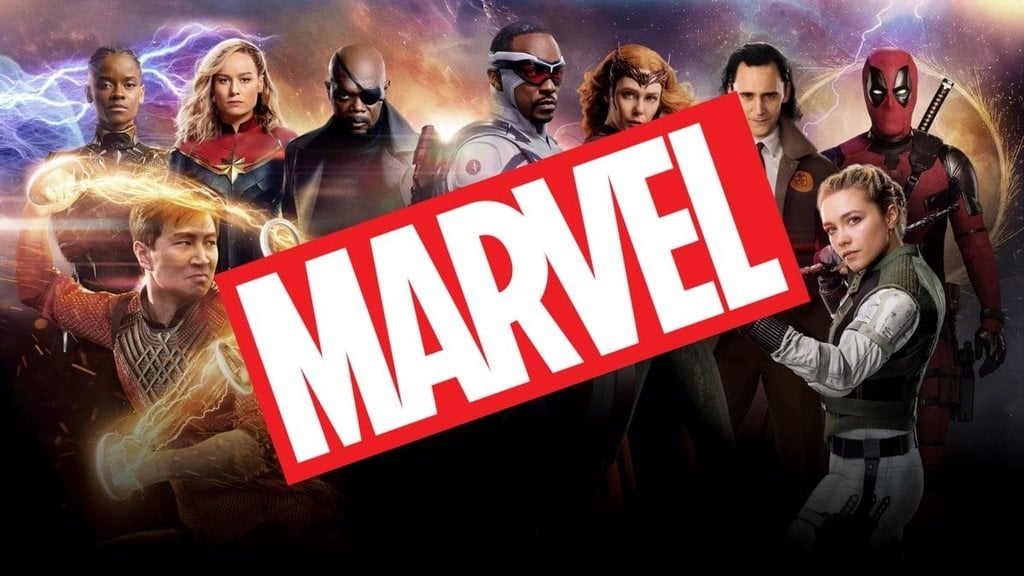
Kevin Feige has dropped a bombshell revelation that has sent shockwaves through the entertainment industry. During a promotional event in China, the Marvel Studios president spoke candidly to the media outlet Watching Hollywood via the Weibo platform, unveiling an unprecedented long-term vision for the beloved superhero franchise. According to Feige, Marvel’s production teams have already mapped out detailed plans extending an astonishing 26 years into the future, signaling Disney’s unwavering commitment to the Marvel Cinematic Universe well into the 2050s.
This extraordinary announcement represents one of the most ambitious content roadmaps in Hollywood history. While major studios typically plan three to five years ahead, Marvel’s quarter-century strategy demonstrates the studio’s confidence in the enduring appeal of superhero storytelling and their ability to continuously reinvent the genre for new generations of audiences.
The Marvel Cinematic Universe: A Legacy of Box Office Dominance
The Marvel Cinematic Universe, which launched in 2008 with the original Iron Man starring Robert Downey Jr., has fundamentally transformed the entertainment landscape. Over the past sixteen years, the franchise has accumulated more than $30 billion in worldwide box office revenue, making it the highest-grossing film series of all time. This remarkable success has been built on a foundation of interconnected storytelling, carefully planned crossover events, and a willingness to take creative risks with lesser-known characters.
The MCU’s Infinity Saga, which concluded with Avengers: Endgame in 2019, represented the culmination of 22 films released over eleven years. That film alone grossed nearly $2.8 billion globally, briefly claiming the title of highest-grossing film ever made. The current Multiverse Saga, which began with Phase Four, has continued to expand the universe’s scope while introducing new heroes and exploring parallel dimensions.
Strategic Implications for the Entertainment Industry
Feige’s revelation comes at a pivotal moment for Disney, which acquired Marvel Entertainment for $4 billion in 2009—an investment that has since generated returns many times over. The 26-year plan suggests that Disney views Marvel content as a cornerstone of its streaming and theatrical strategy for decades to come. This long-term commitment will likely influence everything from Disney+ programming to theme park attractions and merchandise development worldwide.
Industry analysts note that such extended planning allows Marvel Studios to negotiate long-term contracts with actors, directors, and creative talent while also developing characters and storylines that can mature over time. This approach stands in stark contrast to competing studios that often operate on a project-by-project basis, potentially giving Marvel a significant competitive advantage in securing top talent and maintaining narrative consistency.
Challenges and Opportunities on the Horizon
Despite the ambitious timeline, Marvel faces notable challenges. Recent releases have shown signs of franchise fatigue, with some films and Disney+ series receiving mixed critical reception and softer box office performance compared to the Infinity Saga era. The studio must balance quantity with quality while continuously finding fresh approaches to superhero storytelling that can captivate audiences who have now consumed over thirty MCU films.
However, the 26-year roadmap also presents extraordinary opportunities. Marvel’s vast comic book library contains thousands of characters and storylines yet to be adapted, including potential franchises around the X-Men, Fantastic Four, and countless cosmic entities. The introduction of the multiverse concept has opened virtually unlimited storytelling possibilities, allowing the studio to explore alternate versions of beloved characters and bring together heroes from different realities in ways previously impossible.
Expert Opinion: Marvel’s 26-year commitment represents both extraordinary ambition and calculated risk in an era of rapidly shifting entertainment consumption habits. While the studio’s track record suggests they can maintain audience engagement through careful brand management and creative innovation, success will ultimately depend on their ability to evolve storytelling approaches for Generation Alpha viewers who haven’t yet been born. The key challenge will be preserving the emotional connection that made early MCU films resonate while embracing new technologies and narrative formats that will define entertainment in the 2040s and beyond.