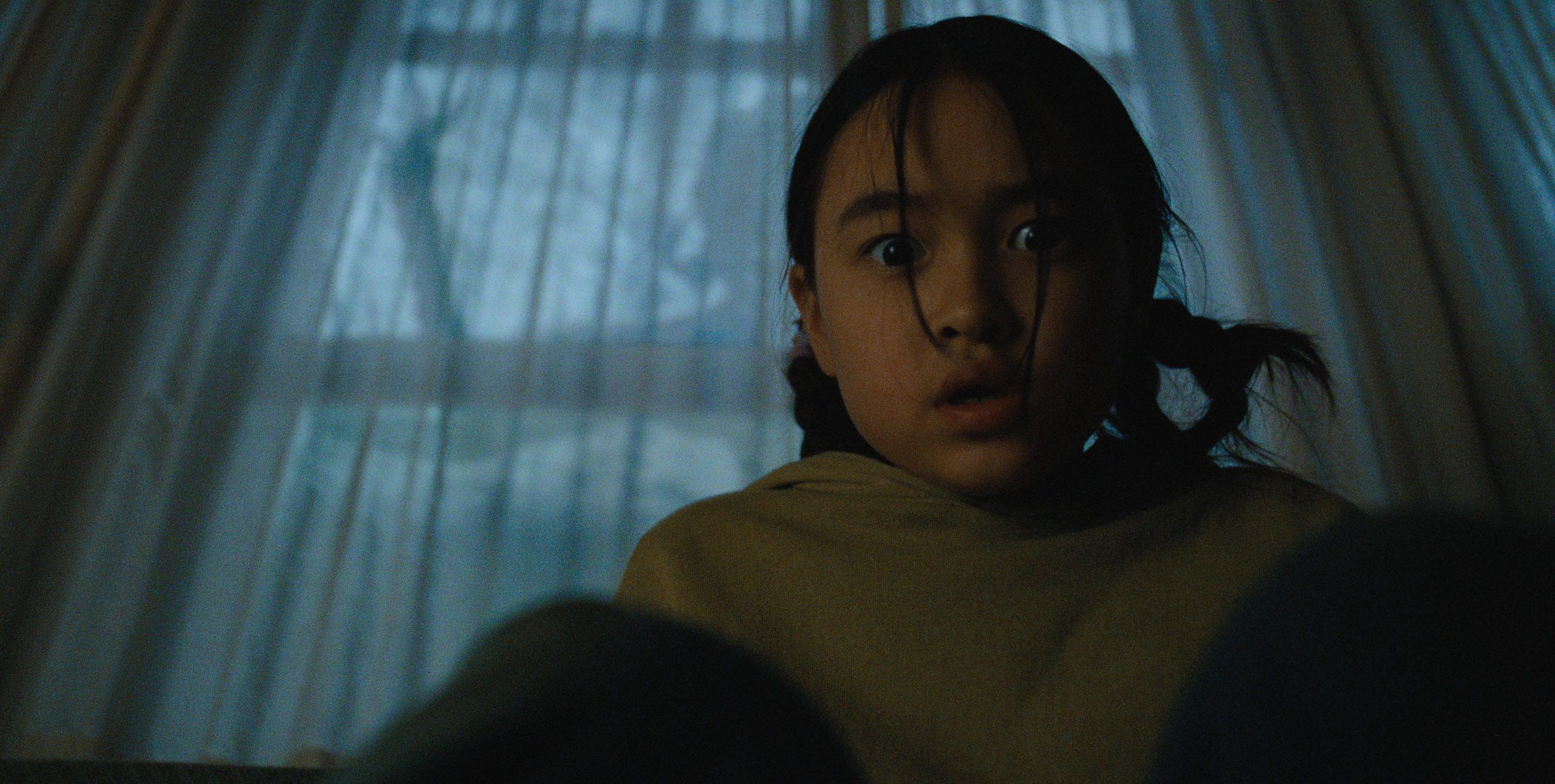
Netflix’s latest thriller, The Last House, has been generating significant buzz among viewers and critics alike, with many audiences finding themselves both shocked and contemplative after the film’s unexpected third-act revelation. The movie, which initially presents itself as a tense home invasion thriller with supernatural undertones, ultimately delivers a message that cuts much deeper than typical genre fare. Director’s recent comments about the film’s conclusion have shed light on the environmental themes woven throughout the narrative, offering viewers a new lens through which to understand the story’s provocative ending.
The film follows a family seeking refuge in a remote house during what appears to be an apocalyptic event. Throughout the first two acts, viewers are kept in suspense about the nature of the threat outside, with the movie employing the now-familiar “mystery box” storytelling technique popularized by films like Cloverfield and A Quiet Place. This approach keeps audiences guessing whether they’re watching an alien invasion, a natural disaster, or something else entirely. The tension builds masterfully as the family navigates both external threats and internal conflicts, creating a pressure-cooker atmosphere that keeps viewers on the edge of their seats.
The Third-Act Twist That Changed Everything
When the film’s true nature is finally revealed, it becomes clear that the threat facing humanity isn’t extraterrestrial at all — it’s a direct consequence of human actions against the natural world. The director has been candid about the film’s underlying message, stating plainly that “we humans are the bad guys of this planet.” This revelation transforms the entire viewing experience, recontextualizing earlier scenes and forcing audiences to reconsider their assumptions about heroes and villains. The twist has divided viewers, with some praising its bold environmental commentary while others felt the shift in tone was too abrupt.
The film joins a growing trend in horror and thriller cinema that uses genre conventions to deliver environmental messages. Movies like The Happening, Annihilation, and more recently, No One Will Save You have explored similar territory, using supernatural or sci-fi elements as metaphors for humanity’s fraught relationship with the natural world. However, The Last House takes a more direct approach, making its environmental critique explicit rather than allegorical. This choice has sparked discussions about whether horror films are effective vehicles for social commentary or whether such messages dilute the genre’s primary purpose of entertainment.
Director’s Vision and Environmental Commentary
The director’s post-release comments have provided valuable context for understanding the film’s ambitions. By explicitly framing humans as “the bad guys,” the filmmaker challenges viewers to consider their own complicity in environmental destruction. This perspective inverts the typical survival horror formula, where audiences root for human protagonists against an external threat. Instead, The Last House suggests that humanity itself may be the invasive species, disrupting the natural balance with devastating consequences. The film’s final scenes, which depict the consequences of environmental neglect, serve as a stark warning about potential futures if current behaviors continue unchecked.
Critics have noted that the film’s Cloverfield-esque mystery box approach, while effective at building suspense, may have created expectations that the final revelation couldn’t fully satisfy. Some viewers, expecting a more conventional alien or monster threat, felt the environmental message was preachy or heavy-handed. However, supporters argue that this subversion of expectations is precisely what makes the film memorable and relevant. The debate reflects broader conversations in entertainment about the balance between entertainment value and social responsibility, and whether audiences want their escapist fare to challenge them politically or environmentally.
The Future of Environmental Horror Cinema
As climate change continues to dominate global conversations, films like The Last House represent a new wave of eco-horror that confronts audiences with uncomfortable truths wrapped in genre packaging. The success or failure of such films may influence how future filmmakers approach environmental themes, determining whether direct messaging or subtle allegory proves more effective at reaching audiences. Regardless of where individual viewers land on The Last House’s execution, the film has undeniably succeeded in sparking conversation — perhaps the most important goal of any socially conscious cinema.
Expert Opinion: The Last House represents an important evolution in environmental horror, moving beyond metaphor to deliver pointed social commentary that resonates with contemporary climate anxiety. While its mystery box structure may frustrate some viewers expecting conventional genre thrills, the film’s willingness to implicate its audience in ecological destruction marks a bold creative choice that will likely influence future eco-horror productions. Expect more filmmakers to follow this template as climate concerns intensify globally.