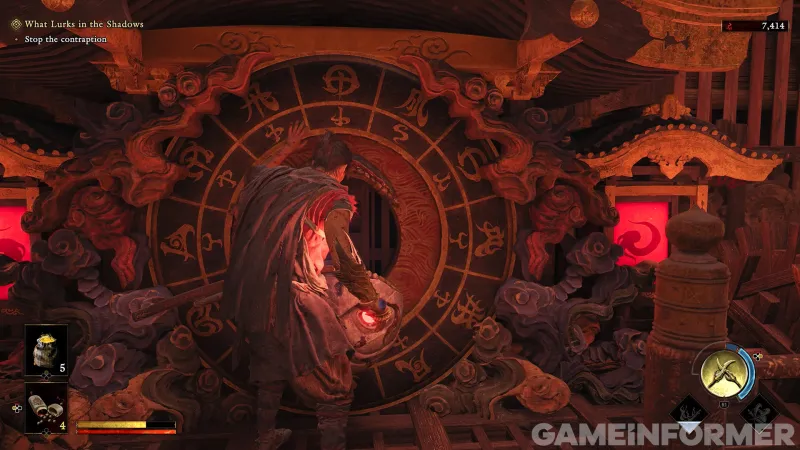
Capcom’s highly anticipated return to the Onimusha franchise is generating significant buzz among longtime fans and newcomers alike. Onimusha: Way of the Sword, set to launch this September, has been confirmed as the cover story for Game Informer magazine, with journalists traveling to Osaka, Japan, to visit Capcom’s headquarters, experience the game firsthand, and conduct exclusive interviews with the development team. As details continue to emerge about this long-awaited revival, one question has been on the minds of veteran players: will the beloved minigames that characterized previous entries make a return?
A Legacy of Minigames in the Onimusha Series
The Onimusha franchise has a rich history with supplementary gameplay experiences that extended beyond the core action-adventure mechanics. All four previously released Onimusha games, which launched between 2001 and 2006 during the PlayStation 2 era, featured various minigames that offered players additional challenges and rewards. The original Onimusha: Warlords introduced fans to Oni Spirits, while its sequel, Onimusha 2: Samurai’s Destiny, expanded the offerings considerably with the Puzzle Phantom Realm, The Man In Black, and Team Oni minigames. The third installment, Onimusha 3: Demon Siege, continued this tradition with Genma Puzzle Space, Oni Target Practice, and the memorable Adventures of Heihachi. Even the final entry, Onimusha 4: Dawn of Dreams, featured the Arena minigame, though it scaled back to just one supplementary mode.
These minigames were emblematic of game development philosophies from the early 2000s, when developers frequently included bonus content and unlockable challenges to increase replay value and reward dedicated players. During this era, minigames served as palette cleansers between intense story missions and offered completionists additional goals to pursue. The tradition was common across many Capcom titles of that period, including the Resident Evil and Devil May Cry franchises, reflecting an industry-wide approach to game design that has largely evolved in modern development.
Director Confirms Focus on Core Swordplay Experience
When asked directly about the inclusion of minigames in Onimusha: Way of the Sword, Director Satoru Nihei delivered news that may disappoint some nostalgic fans. Nihei stated definitively that players will not find any “minigames that you associate with” previous Onimusha titles. The reasoning behind this decision reflects Capcom’s focused approach to the new entry. “We really wanted to focus on the swordplay action there, so we didn’t put any extra time into minigames,” Nihei explained during the interview. This philosophy suggests that the development team has prioritized refining the core combat mechanics and delivering a polished action experience over including supplementary content that might dilute their resources.
This decision aligns with broader trends in modern game development, where studios increasingly concentrate on perfecting core gameplay loops rather than spreading development efforts across multiple disparate features. The 20-year gap since the last mainline Onimusha release has created enormous expectations among fans, and Capcom appears determined to deliver a combat system worthy of the franchise’s legacy. The emphasis on swordplay suggests that Way of the Sword will feature deep, nuanced combat mechanics that reward player skill and mastery, potentially incorporating modern action game innovations while honoring the series’ roots.
The Phantom Realm Mystery Continues
While traditional minigames may be absent, longtime Onimusha enthusiasts know that the Phantom Realm has always occupied a unique space in the franchise—serving as something of a minigame itself. Dating back to the original Onimusha: Warlords, the Phantom Realm challenged players to survive increasingly difficult waves of demons, Genma, and Oni across multiple floors. Each floor cleared would yield valuable rewards, with the final floor offering particularly powerful items or equipment. This survival-style challenge mode became a beloved feature for players seeking to test their combat skills beyond the main campaign.
When pressed about whether the Phantom Realm would return in this capacity, Director Nihei’s response was notably coy. After exchanging knowing glances with producer Akihito Kadowaki and sharing smiles, Nihei offered only a teasing “Hmm, we’ll see.” This deliberately evasive answer strongly suggests that some form of the Phantom Realm may indeed be included in Way of the Sword, though Capcom is clearly not ready to confirm details. For fans hoping to experience this challenging gauntlet once again, this ambiguous response offers reason for cautious optimism. The development team’s playful reaction indicates they understand the feature’s importance to the community and may be saving this revelation for a future announcement.
Onimusha: Way of the Sword represents Capcom’s ambitious effort to revive a franchise that has been dormant for two decades. Set in Kyoto and featuring the legendary swordsman Miyamoto Musashi as its protagonist, the game appears to be a fresh start for the series rather than a direct continuation of previous storylines. With puzzle boxes being replaced by larger environmental puzzles and the development team paying homage to earlier games while charting a new course, Way of the Sword seems poised to honor the series’ legacy while introducing innovations befitting a modern action title. As Game Informer continues its month-long exclusive coverage, fans can expect more revelations about what Capcom has planned for this highly anticipated return to feudal Japan’s demon-infested battlefields.
Expert Opinion: Capcom’s decision to streamline Way of the Sword by removing traditional minigames reflects a mature understanding of modern player expectations, where quality over quantity drives satisfaction. The teased return of the Phantom Realm in some form would be a smart compromise, offering hardcore fans the endgame challenge they crave without fragmenting development resources. If the combat system delivers on its promise, this focused approach could establish Way of the Sword as both a worthy successor to the original trilogy and a template for future franchise revivals.