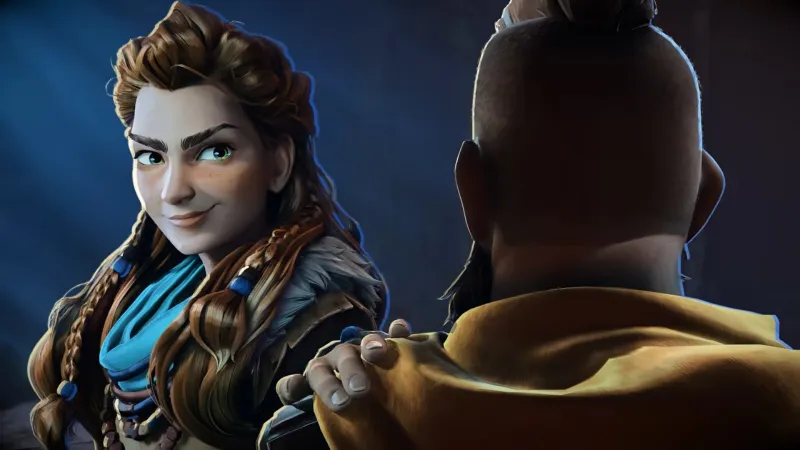
Sony’s PlayStation division is reportedly making significant changes to its upcoming live-service title Horizon Hunters Gathering after receiving disappointing feedback during private playtesting sessions. The game, which was announced earlier this year as a spin-off of Guerrilla Games’ popular Horizon franchise, appears to be undergoing a fundamental transformation that could see it pivot away from the live-service model entirely. This development marks yet another setback in PlayStation’s troubled journey into the online multiplayer market, raising questions about the company’s strategy for competing in this lucrative but challenging space.
The news comes from veteran gaming journalist Jason Schreier of Bloomberg, who has built a reputation for accurate reporting on the video game industry’s inner workings. According to anonymous sources familiar with the project’s development, the negative reception during testing has prompted leadership to reconsider the game’s entire direction. PlayStation has declined to comment on the report, maintaining its typical silence on unannounced changes to development projects. The Horizon franchise, which debuted in 2017 with Horizon Zero Dawn, has sold over 32 million copies across its two mainline entries and has become one of PlayStation’s most valuable intellectual properties.
Major Direction Change Planned
The Bloomberg report reveals that following the poor playtest feedback, developers are now planning to strip out the live-service components that were originally central to Hunters Gathering’s design. Instead, the game is reportedly being transformed into a more traditional cooperative multiplayer experience featuring a dedicated story mode and a significantly reduced scope compared to the original vision. This represents a dramatic shift from the always-online, continuously updated model that defines live-service gaming. The development team has reportedly been given until December to demonstrate meaningful progress on this new direction, with executives expected to evaluate the project’s viability at that milestone. Adding to the uncertainty surrounding the game’s future, many developers currently working on Hunters Gathering are being reassigned to other projects within the studio.
The decision to pivot Hunters Gathering reflects lessons that PlayStation has apparently learned from a series of high-profile failures in the live-service space. The company’s struggles in this market have become increasingly apparent throughout the 2020s, despite substantial investments and ambitious plans. Sony had previously announced intentions to release multiple live-service titles as part of a broader strategy to generate recurring revenue streams similar to those enjoyed by competitors like Fortnite and Destiny. However, multiplayer spin-offs based on beloved franchises including God of War, Spider-Man, and The Last of Us were all quietly cancelled before receiving official announcements. The most public and embarrassing failure came with Concord, a hero shooter that was shut down less than two weeks after its August 2024 launch following catastrophically low player numbers and widespread criticism.
Implications for Horizon Franchise Fans
For fans eagerly awaiting the next mainline Horizon adventure featuring protagonist Aloy, the news about Hunters Gathering carries some disappointing implications. According to Schreier’s sources, the majority of the team that developed Horizon Forbidden West is currently working on Hunters Gathering rather than a third mainline entry. While a small team has reportedly begun preliminary planning for the next single-player Horizon game, sources indicate it remains years away from completion. This timeline means that fans who enjoyed exploring the post-apocalyptic world of machine creatures and ancient mysteries may face a lengthy wait before experiencing a full sequel. Horizon Forbidden West, released in 2022, received critical acclaim for its expanded world, refined combat mechanics, and continuation of Aloy’s story as she uncovered more secrets about humanity’s past and the origins of the machine threat.
The mixed reception to Hunters Gathering’s initial announcement earlier this year foreshadowed the current troubles. While the game retained worldbuilding elements from the established Horizon universe, its completely different art style and genre departure from the action RPG roots alienated many longtime fans before anyone had even played it. Live-service games require massive ongoing investment in content updates, server infrastructure, and community management, making them inherently risky ventures that can either generate enormous profits or catastrophic losses. PlayStation’s continued struggles suggest that the company’s expertise in crafting focused single-player narratives may not easily translate to the fundamentally different demands of live-service development. As the gaming industry continues to grapple with the sustainability of the live-service model amid increased competition and player fatigue, PlayStation’s experience with Hunters Gathering may influence how other major publishers approach similar projects in the future.
Expert Opinion: PlayStation’s pivot with Hunters Gathering signals a broader industry recognition that not every franchise can successfully support a live-service model. The company’s repeated failures in this space suggest that Sony would be better served by doubling down on its proven strength in single-player experiences rather than chasing the recurring revenue dreams that have proven elusive. Expect to see more studios abandon ambitious live-service plans in favor of more focused multiplayer experiences with defined endpoints as market saturation continues to claim casualties.