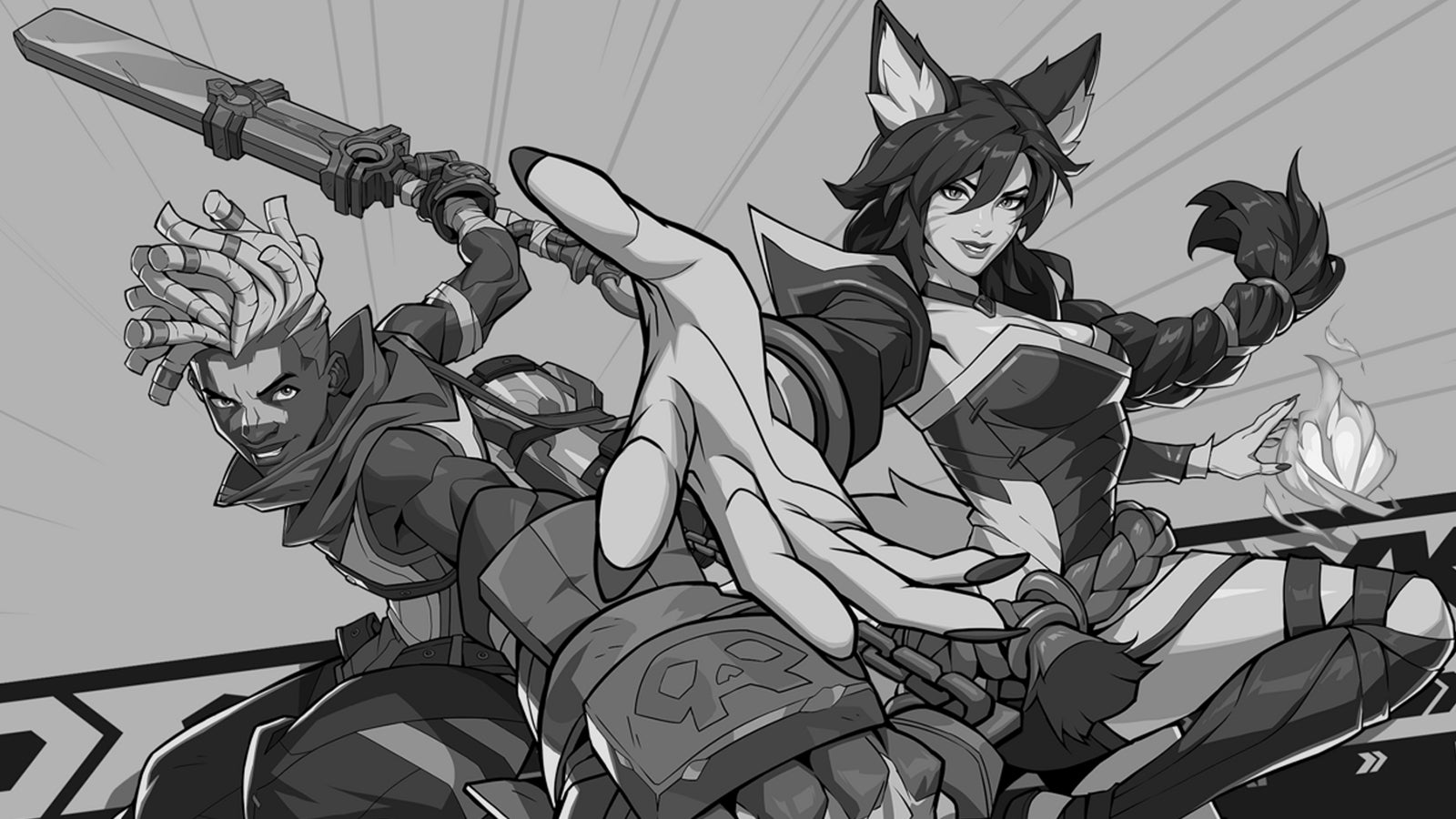
In what many are calling one of the most disappointing developments in the gaming industry this year, Riot Games has officially announced that its League of Legends-based fighting game, 2XKO, will cease active development in December 2026. The announcement, made through an official blog post on August 20, confirmed fears that had been circulating within the fighting game community for months. While the game will remain playable online and offline for the foreseeable future, the decision marks the end of an ambitious project that never quite found its footing in the competitive fighting game landscape.
The 2XKO development team delivered the news with evident disappointment, explaining that despite initial enthusiasm from players, the game failed to maintain a sustainable player base. “Over the last few months, we’ve been monitoring 2XKO’s trajectory closely, and what we’ve seen is painting a clear, consistent picture: while a lot of you jumped in to try the game and there’s an incredible community that plays every day, we haven’t seen enough players stick with the game to get to a path toward sustainability,” the team wrote in their announcement. This admission highlights a common challenge in the fighting game genre, where building and maintaining a dedicated player base requires not just quality gameplay but also constant community engagement and competitive support.
The Final Months: Content and Refunds
Riot Games has outlined a comprehensive plan for the game’s final months of active development. The company will release a final content patch in October 2026, which will include two new champions — Lux and Samira — alongside feature improvements and bug fixes. In a move that has been praised by the community, Riot announced that all in-game purchases made before August 20 will be fully refunded to players. Additionally, the company will introduce a comprehensive cosmetic bundle containing nearly all of the game’s aesthetic content for $39.99, while making most items available for purchase with in-game Credits.
The restructuring of the game’s systems is equally significant. Riot will disable KO Points purchases and remove several live-service elements that have become standard in modern free-to-play games, including Battle Passes, Champion Tokens, seasons, and special events. Perhaps most notably, all gameplay content, including the complete roster of champions, will be unlocked for all players. This decision ensures that those who wish to continue playing will have access to the full experience without any barriers. Ranked lobbies will be disabled to consolidate the player base into a single matchmaking pool, though the company assures players that casual lobbies will still match players by skill level.
Competitive Scene Winds Down
The 2XKO Competitive Series, which had been a cornerstone of the game’s esports ambitions, will continue through the end of 2026 before being officially concluded. Riot has committed to supporting players and tournament organizers during this transition period, including providing prize pools for all Major and Challenger events. The final official Competitive Series event is scheduled for November 2026. Beyond this date, tournament organizers will still be permitted to run both offline and online events featuring 2XKO using Riot’s community competition guidelines, ensuring that dedicated players can continue to compete in an unofficial capacity.
The fighting game genre has a rich history dating back to the arcade era of the 1990s, with titles like Street Fighter II and Mortal Kombat establishing the template that games still follow today. 2XKO represented Riot’s ambitious attempt to translate the beloved characters and lore of League of Legends into this competitive format. The tag-team fighting game format, which allows players to control multiple characters and switch between them during matches, was designed to create a unique experience that combined the strategic depth of team composition with the mechanical precision required in fighting games. However, the team acknowledged that while “diehard tag fighter players loved 2XKO,” most other fighting game enthusiasts “struggled to find reasons to stick with the game.”
Industry Reaction and Riot’s Pattern
The response from the fighting game community has been overwhelmingly negative, with many expressing frustration at what they perceive as Riot’s tendency to abandon projects that don’t achieve League of Legends-level success. Evo, the world’s premier fighting game tournament organization, issued a statement expressing sympathy for the development team: “Not the news we wanted to hear today. Sending love to the team who worked so hard to bring the game to life.” Players on social media have been more pointed in their criticism, with one stating, “Shame on Riot for the way they turn their backs on games they develop that don’t have LoL numbers,” while another argued, “Riot really needs to stop cancelling everything that isn’t as big as LoL. You’re never gonna reach that level of success again.”
The warning signs for 2XKO had been visible for months before this announcement. In February 2026, Riot laid off dozens of developers from the 2XKO team, a move that immediately sparked concerns about the game’s long-term viability. The development team explored multiple options to save the project, including reducing workforce size, adjusting patch schedules, and modifying their business model. Ultimately, they concluded that “finishing the rest of our work-in-progress content and sunsetting active development was the best route forward for players and Rioters.” While the servers remaining online provides some comfort to the dedicated community that remains, the future of even this limited support is uncertain, with Riot noting they will provide “advanced notice if any of that changes.”
Expert Opinion: The closure of 2XKO reflects a broader challenge facing major publishers entering the fighting game market: the genre demands sustained investment in community building and competitive infrastructure that often doesn’t align with the rapid growth metrics expected by large corporations. While Riot’s decision to keep servers online and refund purchases demonstrates some goodwill, this outcome may discourage other major studios from investing in fighting games, potentially consolidating the market further around established franchises like Street Fighter and Tekken.