While the Marvel Cinematic Universe has occasionally dipped its toes into darker, more supernatural territory with Disney Plus projects like Ironheart and Werewolf by Night, the franchise’s full embrace of its spooky side has remained frustratingly elusive. The long-anticipated Blade reboot has been trapped in development hell for years, experiencing multiple director changes and script rewrites that have left fans wondering if the daywalker will ever make his triumphant return to the big screen. With Ghost Rider now confirmed for a 2028 release and persistent rumors about a Midnight Sons team-up project circulating through Hollywood, the MCU appears poised to finally explore its supernatural corner in earnest. However, what many fans may not realize is that a successful blueprint for this darker Marvel future already exists—not in film or television, but in the critically acclaimed 2022 video game Marvel’s Midnight Suns.
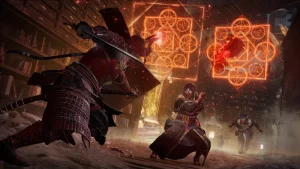
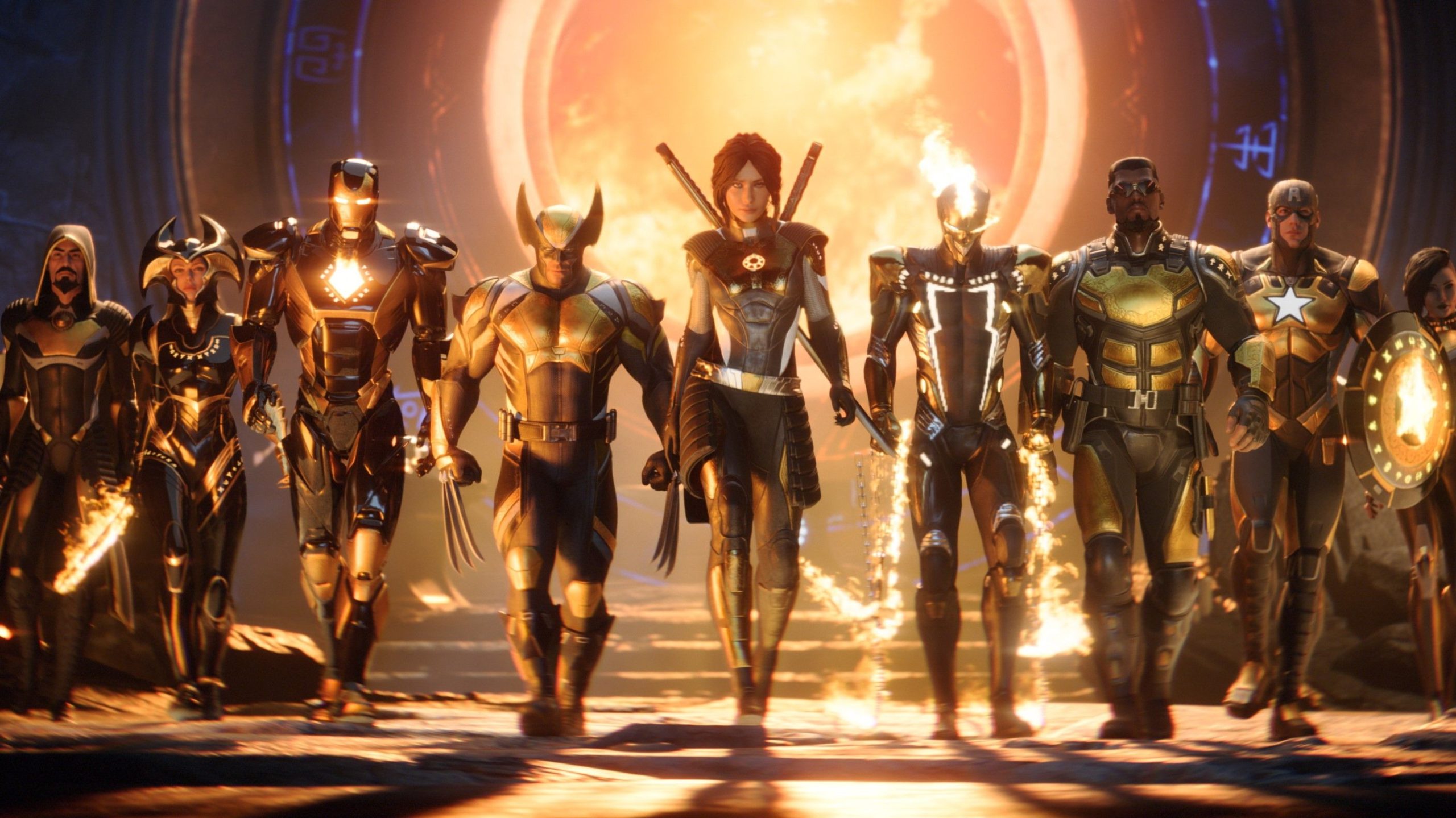
Developed by Firaxis Games, the studio renowned for its work on the XCOM series and Civilization franchise, Marvel’s Midnight Suns launched in December 2022 to strong critical reception but surprisingly modest commercial performance. The game combined tactical turn-based combat with deep relationship-building mechanics, allowing players to control a roster of supernatural Marvel heroes including Ghost Rider, Blade, Magik, and Nico Minoru alongside more mainstream Avengers like Iron Man, Captain America, and Doctor Strange. Despite earning praise from critics for its innovative gameplay systems and compelling narrative, the game flew under the radar for many casual Marvel fans, overshadowed by bigger releases and the general market saturation of superhero content.
A Template for Supernatural Team-Ups
What made Marvel’s Midnight Suns particularly remarkable was its ability to seamlessly blend the bright, optimistic tone of traditional Avengers storytelling with the darker, more mature themes inherent to characters like Ghost Rider and Blade. The game introduced players to the Hunter, a customizable protagonist who serves as the child of Lilith, the Mother of Demons, and must unite disparate heroes to prevent an apocalyptic threat. This narrative framework demonstrated that audiences can embrace morally complex supernatural storylines within the Marvel universe without sacrificing the heroic optimism that defines the brand. The game’s success in balancing horror elements with superhero action provides a clear roadmap for how the MCU could approach its own Midnight Sons project.
The relationship system in Midnight Suns proved particularly innovative, allowing players to develop deep friendships with team members through hangout activities, gift-giving, and meaningful conversations at the Abbey, the team’s mystical headquarters. These interpersonal moments gave weight to characters who might otherwise feel like one-dimensional edgy alternatives to the Avengers. Ghost Rider wasn’t just a flaming skull on a motorcycle—he was Robbie Reyes, a young man struggling with the demonic entity bound to his soul while trying to protect his disabled brother. This character depth translated into genuine emotional investment, proving that supernatural Marvel properties can deliver the same heart and humor that made the original Avengers films so beloved.
Why the MCU Should Take Notes
The MCU’s struggles with its supernatural properties highlight exactly why Marvel’s Midnight Suns deserves more attention from studio executives. Blade’s troubled production has seen directors Wesley Snipes championed and Mahershala Ali’s patience tested, while the excellent Werewolf by Night special presentation seemingly led nowhere in terms of larger narrative connections. The video game demonstrated that these characters work best when given room to breathe and develop, rather than being rushed into crossover events. Firaxis understood that Blade, Ghost Rider, and Magik each carry unique mythologies that require careful introduction before throwing them together against world-ending threats.
Looking ahead to 2028’s Ghost Rider and the potential Midnight Sons film, Marvel Studios would be wise to study what made the game work so effectively. The tactical combat translated the power fantasies of controlling supernatural abilities into satisfying gameplay, but more importantly, the writing treated these characters with the same respect afforded to Tony Stark or Steve Rogers. As the MCU enters its next phase and seeks to differentiate itself from superhero fatigue, embracing its darker corners might be exactly the creative injection the franchise needs. Marvel’s Midnight Suns proved that audiences are ready for supernatural superhero stories—the question is whether Marvel Studios will learn from this forgotten gem before Ghost Rider finally rides onto the big screen.
Expert Opinion: The commercial underperformance of Marvel’s Midnight Suns despite critical acclaim reflects a broader industry challenge of video game adaptations struggling to find mainstream audiences, yet its creative success offers invaluable lessons. If Marvel Studios can replicate the game’s careful character development and tonal balance, the Midnight Sons could become the MCU’s answer to audience fatigue—a fresh, darker direction that still maintains the emotional core that made the franchise a cultural phenomenon.