
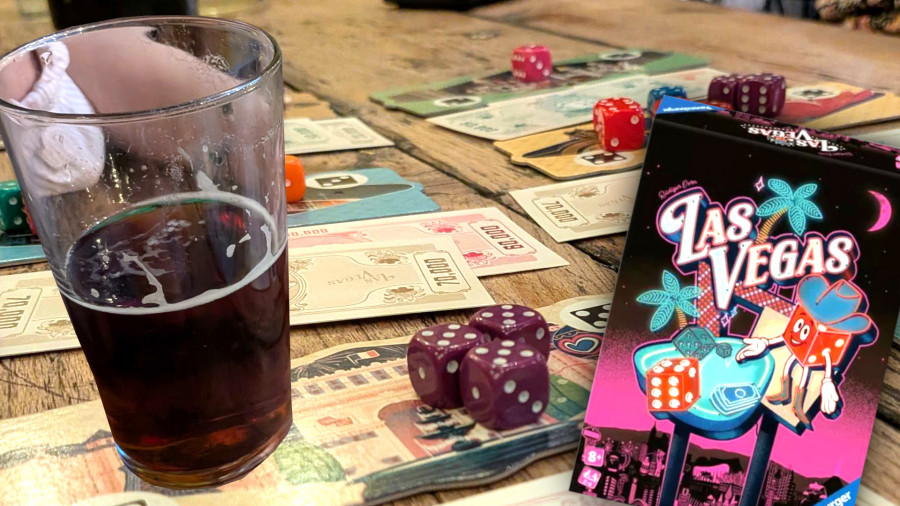
There’s a particular joy in combining two beloved pastimes: enjoying a drink at your local pub and gathering around a board game with friends. For enthusiasts who appreciate both activities simultaneously, the landscape has transformed dramatically in recent years. What was once considered an eccentric hobby relegated to basement game nights has evolved into a mainstream social phenomenon. Even if your town hasn’t yet welcomed one of the increasingly popular board game bars that have proliferated across major cities, showing up at a traditional pub with a compact game or two no longer raises eyebrows. In fact, settling in for an extended gaming session over pints has become an entirely accepted way to spend an evening.
The key to successful pub gaming lies in selecting the right game for the environment. Unlike dedicated gaming spaces with ample table room and controlled lighting, pubs present unique challenges: limited surface area, ambient noise, the occasional spilled drink, and the need to accommodate players whose strategic thinking might become progressively impaired as the evening wears on. This has given rise to a specific category of games that enthusiasts affectionately call “pub games” — titles that are easy to learn, quick to play, and forgiving enough to remain enjoyable regardless of how many rounds have been served.
The Evolution of Social Gaming Culture
The board game renaissance that began in the early 2000s has fundamentally changed how people socialize. What started with the European “Eurogame” movement, led by titles like Settlers of Catan and Carcassonne, has blossomed into a multi-billion dollar industry. According to market research, the global board game market has grown consistently year over year, with projections suggesting continued expansion through the decade. Board game cafes and bars have become fixtures in urban landscapes from London to Los Angeles, Tokyo to Toronto, offering curated libraries of hundreds or even thousands of titles alongside craft beverages and pub fare.
This cultural shift reflects broader changes in how younger generations approach entertainment. Studies have shown that millennials and Gen Z consumers increasingly value experiences over material possessions, and shared activities that encourage face-to-face interaction have found particular resonance in an era dominated by digital communication. Board games offer something that screens cannot: genuine human connection, the tactile pleasure of handling physical components, and the shared narrative that emerges from competition and cooperation around a table.
What Makes the Perfect Pub Game
The ideal pub game possesses several crucial characteristics that set it apart from more complex tabletop experiences. First and foremost, rules must be explainable in minutes rather than hours — nobody wants to spend their evening reading rulebooks when there are drinks to enjoy and conversations to have. The best pub games typically feature elegant mechanics that can be grasped intuitively, allowing newcomers to join mid-session without extensive onboarding. Portability matters tremendously as well; a game that fits in a jacket pocket or small bag removes barriers to spontaneous play.
Component design plays an often-underappreciated role in pub-friendly gaming. Cards should be readable in dim lighting, pieces should be sturdy enough to survive the occasional bump or jostle, and ideally, nothing should roll off the table and disappear under neighboring seats. Many publishers have recognized this market niche and now specifically design games with these considerations in mind, producing titles with oversized cards, minimal setup requirements, and gameplay loops that accommodate interruptions gracefully.
Building Community One Game Night at a Time
Beyond mere entertainment, pub gaming has become a vehicle for community building. Regular game nights at local establishments create consistent social touchpoints that many adults find increasingly difficult to maintain as career and family obligations compete for attention. The structured nature of gameplay provides natural conversation starters and shared experiences, making these gatherings particularly welcoming for newcomers who might otherwise feel awkward joining established social circles.
Pub owners have taken notice of this trend, with many establishments now maintaining small collections of house games available for patrons to borrow. Some have gone further, hosting weekly tournament nights or partnering with local gaming groups to create signature events. This symbiotic relationship benefits everyone: venues enjoy increased traffic and longer customer stays, while gamers gain access to dedicated spaces and ready opponents. As the hobby continues to grow, the intersection of pub culture and tabletop gaming seems poised to become an enduring feature of social life for generations to come.
Expert Opinion: The convergence of board gaming and pub culture represents more than a passing trend — it signals a fundamental shift in how people seek meaningful social interaction in an increasingly digital world. As remote work continues to reshape daily routines and traditional third spaces evolve, low-barrier gaming experiences will likely become essential tools for maintaining human connection, with the market for portable, pub-friendly games expected to see significant growth through 2030.