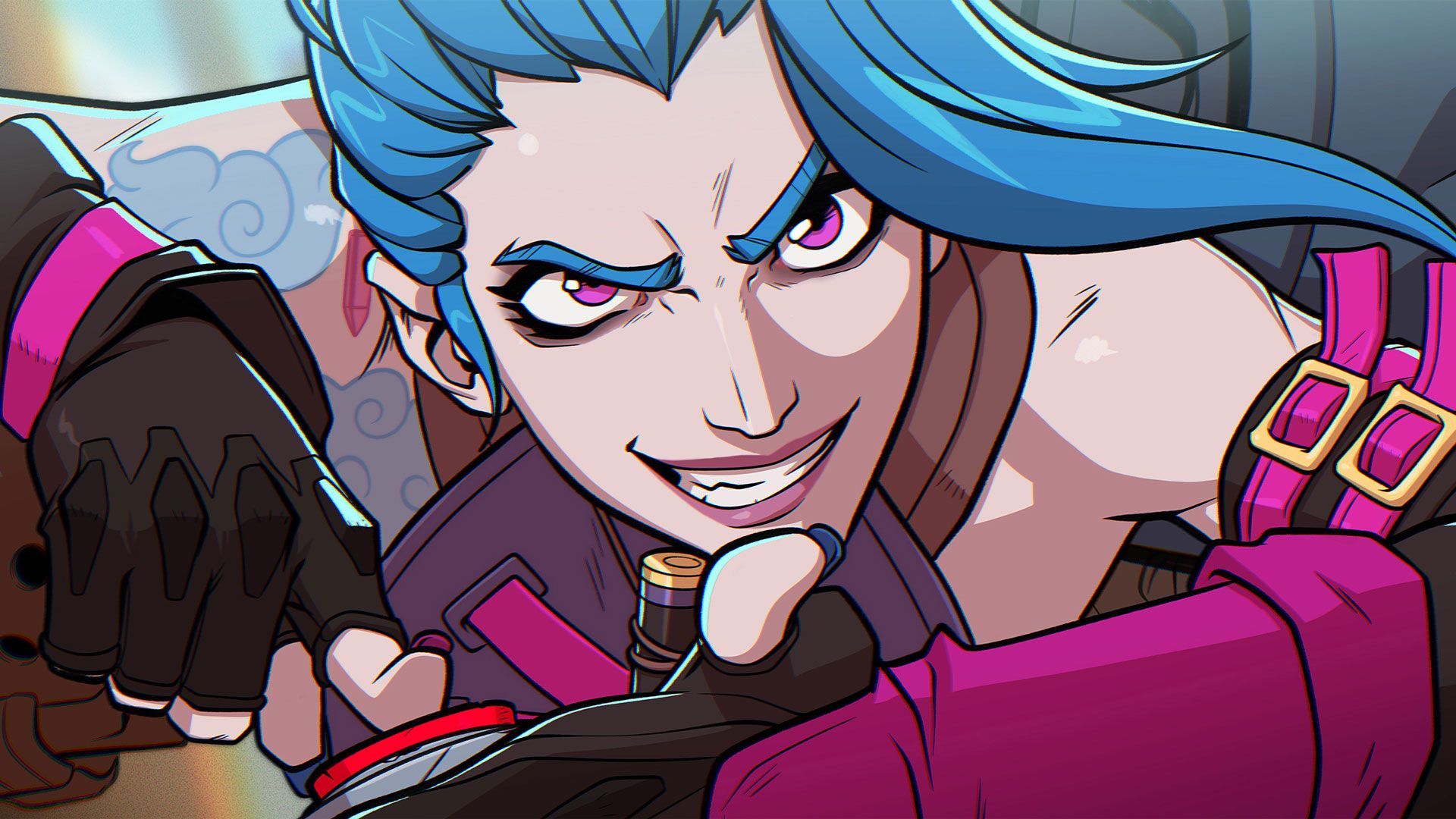
In a significant announcement that has sent ripples through the gaming community, Riot Games has officially confirmed that it will be ending active development on 2XKO, its ambitious fighting game set in the League of Legends universe. The developer revealed on Thursday that the team plans to complete all remaining work-in-progress content before shutting down active development in December 2025. This decision marks the end of what many had hoped would become a major expansion of the League of Legends franchise into the competitive fighting game genre.
The news comes as a surprise to many fans who had been eagerly anticipating the full release of 2XKO, which had been in development for several years and had generated considerable buzz during its various beta testing phases. The game represented Riot’s attempt to break into the fighting game community, a genre known for its dedicated and passionate player base. Industry observers note that this decision reflects the increasingly competitive and challenging landscape of the gaming industry, where even well-funded projects from major studios can struggle to find sustainable audiences.
The Rise and Fall of Project L
Originally known as Project L, 2XKO was first announced in 2019 and represented Riot Games’ foray into the fighting game genre. The project drew significant attention due to its connection to the massively popular League of Legends franchise, which boasts over 150 million monthly players worldwide. The fighting game was designed as a tag-team style combat experience, featuring beloved champions from the League of Legends roster reimagined for one-on-one combat scenarios. Development was led by Tom and Tony Cannon, co-founders of the Evolution Championship Series (EVO), the world’s largest fighting game tournament, lending the project significant credibility within the fighting game community.
Throughout its development cycle, 2XKO underwent multiple public beta tests that allowed players to experience the game’s mechanics and provide feedback. The response from the fighting game community was generally positive, with many praising the game’s fluid combat system, accessible controls, and faithful adaptation of League of Legends characters. However, the fighting game market is notoriously difficult to penetrate, with established titles like Street Fighter, Tekken, and Mortal Kombat dominating player attention and tournament circuits. New entrants face the challenge of building not just a quality game, but an entire competitive ecosystem.
Riot’s Broader Strategic Shifts
This announcement comes amid broader changes at Riot Games, which has been restructuring its operations and project portfolio over the past year. The company, owned by Chinese technology giant Tencent, has faced increasing pressure to demonstrate profitability across its various ventures beyond the flagship League of Legends title. In recent years, Riot has expanded into multiple genres, launching Valorant, a tactical shooter that has achieved remarkable success, as well as Teamfight Tactics, Legends of Runeterra, and the critically acclaimed single-player game Ruined King. However, not all of these ventures have met expectations, and the company has been forced to make difficult decisions about resource allocation.
The fighting game genre presents unique challenges for developers and publishers. Unlike battle royale or MOBA games, fighting games typically have smaller but more dedicated player bases. The genre requires significant ongoing investment in balance updates, new character development, and support for the competitive tournament scene. Games like Guilty Gear Strive and Street Fighter 6 have shown that success is possible, but they build upon decades of franchise history and established communities. For a new entrant like 2XKO, breaking through this barrier would have required sustained investment and patience that Riot appears unwilling or unable to provide.
Impact on Players and the Gaming Community
For the dedicated community that had formed around 2XKO during its beta phases, this announcement represents a significant disappointment. Many players had invested considerable time learning the game’s mechanics and building communities around it. The decision also raises questions about the future of other experimental Riot projects and the company’s willingness to support games that don’t immediately achieve massive commercial success. Gaming industry analysts suggest this could signal a more conservative approach from Riot moving forward, focusing resources on proven franchises rather than ambitious new ventures. The company has stated it will honor its commitments to complete work-in-progress content, giving players a finished product to enjoy even as active development ceases, though the long-term viability of any game without ongoing support remains questionable in today’s live-service dominated market.
Expert Opinion: This decision reflects a broader industry trend where even well-resourced studios are becoming increasingly risk-averse amid economic pressures and market saturation. The fighting game genre’s niche appeal and the substantial investment required to compete with established franchises likely made 2XKO’s long-term prospects uncertain. Expect Riot to double down on its proven successes like Valorant and League of Legends while approaching future experimental projects with more cautious timelines and exit strategies.