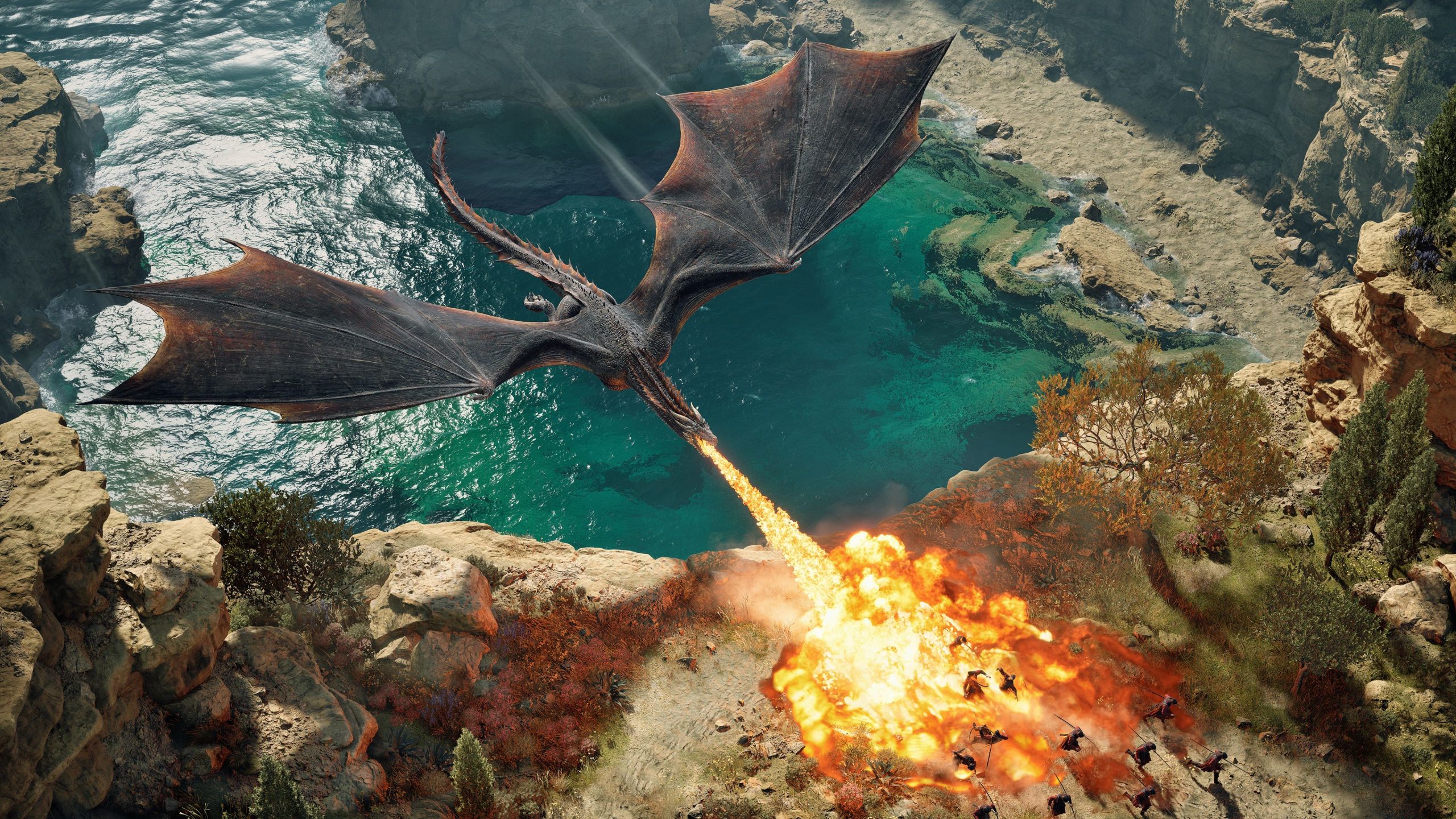
The world of fantasy real-time strategy games has long been dominated by a singular achievement that many consider the gold standard of the genre. Back in 2004, EA Los Angeles delivered The Lord of the Rings: The Battle for Middle-earth, a groundbreaking title that masterfully combined hero-focused gameplay with traditional base-building and army management mechanics. The game’s success spawned a sequel and expansion pack, cementing the sub-franchise as a beloved classic that fans continue to cherish and revisit to this day. Now, with Game of Thrones: War for Westeros on the horizon, there’s hope that the fantasy RTS genre might finally receive a worthy successor to that legendary formula.
The circumstances surrounding the intellectual property rights have created a fascinating situation in the gaming industry. When EA lost the rights to develop Middle-earth games, those rights eventually transferred to Warner Bros. Interactive Entertainment, a company that coincidentally also controls the gaming rights to George R.R. Martin’s Game of Thrones universe. Despite possessing two of the most valuable fantasy franchises in entertainment history, Warner Bros. has been surprisingly conservative in leveraging these properties for major video game releases. This apparent reluctance has left fans of both franchises hungry for substantial gaming experiences set in their favorite fictional worlds.
The Legacy of Fantasy Real-Time Strategy Games
The real-time strategy genre has deep roots in fantasy settings, dating back to classics like Warcraft and Age of Empires. However, The Battle for Middle-earth represented something special in how it translated a beloved film trilogy into interactive entertainment. The game featured iconic battles from Peter Jackson’s movies, allowing players to command massive armies of Gondorian soldiers, Rohan cavalry, and the forces of Mordor. Its hero system, which let legendary characters like Gandalf and Aragorn turn the tide of battle, created memorable gameplay moments that resonated with both strategy enthusiasts and Tolkien fans alike. The sequel expanded on these foundations, introducing new factions and refining the gameplay mechanics that made the original so compelling.
The potential for Game of Thrones to receive similar treatment has tantalized fans for years. The HBO series, based on Martin’s A Song of Ice and Fire novels, features complex political intrigue, massive battles, and a rich cast of characters that would translate beautifully to the RTS format. Iconic confrontations like the Battle of the Bastards, the siege of King’s Landing, and the Long Night against the White Walkers offer perfect scenarios for strategic gameplay. The various Great Houses of Westeros, each with their own strengths, weaknesses, and signature units, provide natural faction diversity that could rival or exceed what The Battle for Middle-earth achieved.
Warner Bros. and the Untapped Potential
Warner Bros. Interactive Entertainment’s track record with its fantasy properties has been a source of frustration for many gamers. While the company has produced some notable titles, including the well-received Middle-earth: Shadow of Mordor and its sequel, these were action-adventure games rather than the strategy experiences many fans craved. The Game of Thrones license has fared even worse in the gaming space, with several lackluster releases failing to capture the epic scope and political complexity that defines the franchise. Mobile games and smaller-scale projects have come and gone, but a definitive AAA Game of Thrones strategy game has remained elusive.
The announcement of War for Westeros has therefore generated significant excitement among the gaming community. A proper RTS title set in the Seven Kingdoms could finally deliver the experience fans have been requesting for over a decade. The strategic depth required to navigate the politics of Westeros, combined with the visceral thrill of commanding Dothraki hordes, Unsullied formations, and Lannister armies, presents an opportunity for something truly special. If the developers can capture even a fraction of what made The Battle for Middle-earth so beloved, they may have a hit on their hands that satisfies both strategy game veterans and Game of Thrones enthusiasts.
Looking Ahead to the Future of Fantasy Gaming
The gaming industry has seen a resurgence of interest in strategy games in recent years, with titles like Age of Empires IV proving that the genre still commands a dedicated audience. This renewed appetite for strategic gameplay, combined with the enduring popularity of the Game of Thrones franchise despite the controversial final season of the television series, suggests that the timing may be perfect for War for Westeros. Fans remain hopeful that this project will finally deliver the definitive Game of Thrones gaming experience they’ve been waiting for, one that honors both the source material and the legacy of great fantasy strategy games that came before it.
Expert Opinion: The success of War for Westeros will likely hinge on whether developers can balance authentic Game of Thrones political intrigue with satisfying real-time strategy mechanics. Given the current market appetite for nostalgic gaming experiences and the proven demand for quality fantasy RTS titles, this project has tremendous potential to revitalize the genre if executed properly. Industry observers should watch closely, as this could signal Warner Bros.’ renewed commitment to leveraging its valuable intellectual properties in the gaming space.