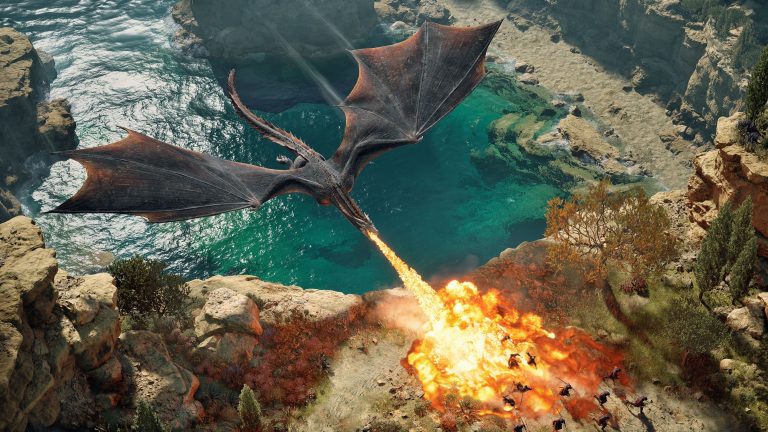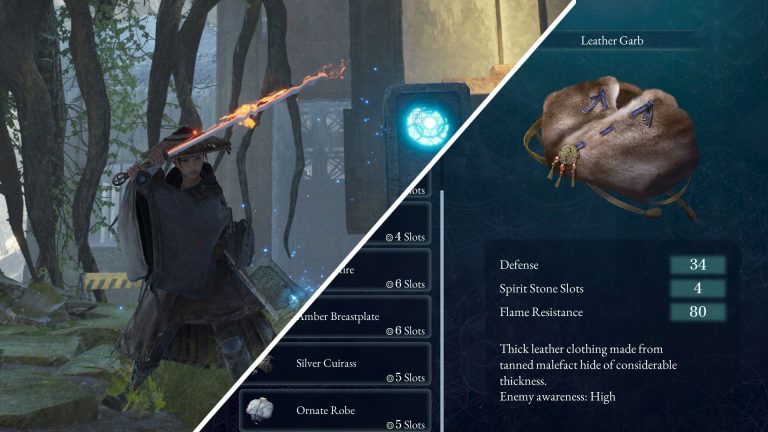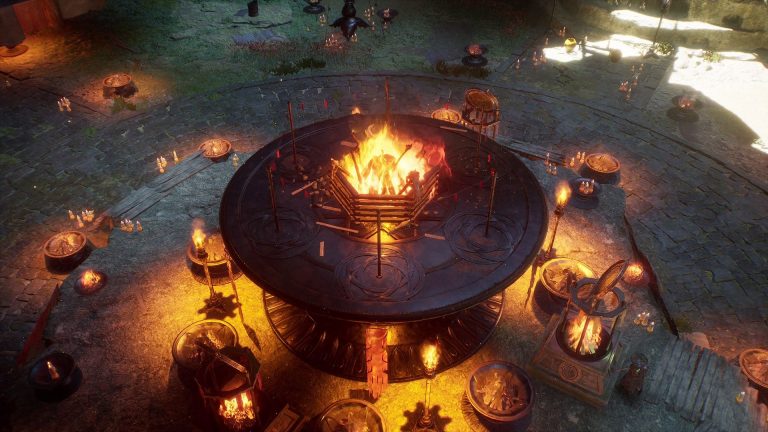
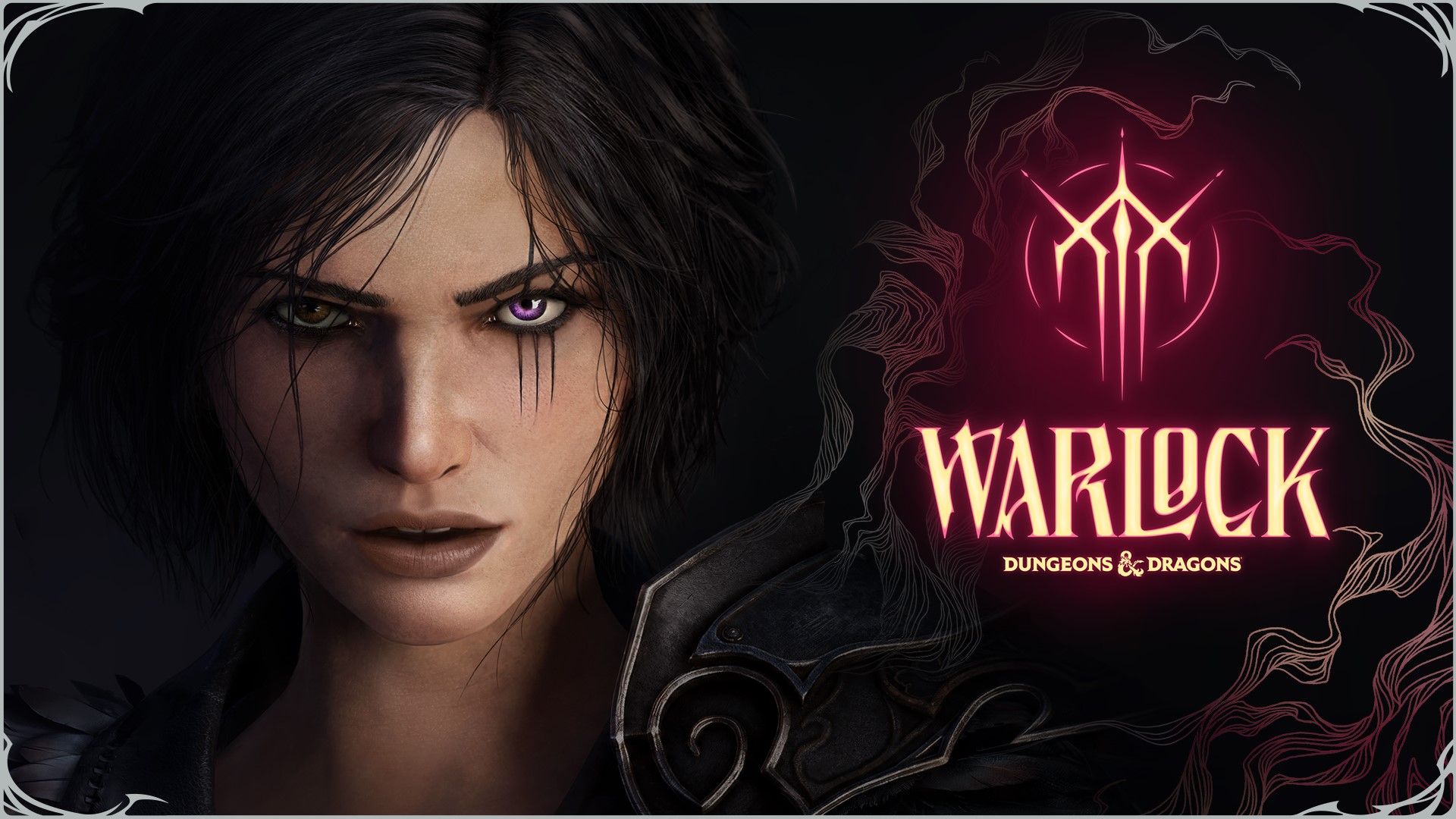
Wizards of the Coast has officially unveiled Warlock: Dungeons & Dragons, an ambitious new video game project that aims to bring the beloved tabletop role-playing experience to life in ways never before attempted. The announcement came during gamescom’s Opening Night Live presentation, setting the gaming community abuzz with anticipation. With a targeted release window of 2027 for PC, PlayStation 5, and Xbox Series X|S, the development team has substantial time to craft what they describe as a revolutionary open-world experience set within the iconic D&D universe.
The reveal provided tantalizing glimpses into what players can expect from this massive undertaking. According to details shared with gaming media ahead of the official announcement, Warlock promises extensive open-world exploration capabilities, deep magical systems, and robust character customization options that will resonate with both longtime fans of the franchise and newcomers alike. The development team appears committed to translating the freedom and creativity that defines tabletop Dungeons & Dragons into a digital format that maintains the spirit of collaborative storytelling while leveraging modern gaming technology.
The Legacy of Dungeons & Dragons in Video Games
Dungeons & Dragons has a rich history in the video game medium stretching back decades. From the legendary Baldur’s Gate series developed by BioWare in the late 1990s to the more recent critically acclaimed Baldur’s Gate 3 by Larian Studios, the franchise has spawned numerous beloved titles. However, not all adaptations have achieved the same level of success. Games like Dark Alliance have received mixed receptions, demonstrating the challenge of capturing the tabletop experience digitally. This varied track record makes Warlock’s ambitious promises both exciting and worth scrutinizing as development progresses.
The timing of this announcement is particularly significant given the renewed mainstream interest in Dungeons & Dragons. The tabletop game has experienced unprecedented growth in recent years, driven partly by popular actual-play shows like Critical Role and the pandemic-era surge in tabletop gaming. With over 50 million players worldwide and the recent acquisition of D&D’s parent company by Hasbro, the franchise has never been more culturally relevant. Warlock appears positioned to capitalize on this momentum while potentially attracting an even broader audience through the accessibility of video games.
Open-World Exploration and Magical Systems
One of the most intriguing aspects of the Warlock announcement centers on its promise of vast open-world exploration. While specific details remain limited, the emphasis on exploration suggests players will have significant freedom to traverse diverse environments within the D&D multiverse. This approach marks a departure from more linear D&D adaptations and aligns with modern gaming trends that prioritize player agency and discovery. The development team faces the considerable challenge of creating a world that feels both authentically D&D and compelling to explore for potentially hundreds of hours.
The magical systems in Warlock also appear to be a focal point of development. In tabletop D&D, magic represents one of the most complex and rewarding aspects of gameplay, with spellcasters wielding everything from simple cantrips to reality-altering high-level magic. Translating this depth and variety into a real-time or action-oriented video game format requires careful balancing between accessibility and complexity. The title “Warlock” itself is significant, as the Warlock class in D&D represents characters who gain magical powers through pacts with otherworldly entities, suggesting potential narrative themes of dark bargains and supernatural patrons.
Character Customization and Platform Availability
Character customization has been highlighted as another pillar of the Warlock experience. D&D’s appeal has always centered on the ability to create unique characters with distinct personalities, abilities, and backstories. Successful adaptations like Baldur’s Gate 3 have demonstrated that players deeply value extensive customization options, from physical appearance to class abilities and moral alignment. If Warlock can deliver a similarly robust creation system while maintaining performance across multiple platforms, it could set new standards for the genre.
The commitment to releasing on PC, PlayStation 5, and Xbox Series X|S simultaneously demonstrates Wizards of the Coast’s ambition to reach the widest possible audience. With the 2027 target date, the development team has approximately two to three years to polish the experience across all platforms. This timeline also positions Warlock to potentially benefit from the next wave of console hardware revisions while current-generation systems remain widely installed. Industry observers will be watching closely for additional details as development progresses and more gameplay footage emerges.
Expert Opinion: Given the phenomenal success of Baldur’s Gate 3 and the current golden age of D&D popularity, Warlock has enormous potential to become a landmark title if executed properly. However, the ambitious scope combined with a 2027 target suggests this project may face significant development challenges. The key to success will be balancing the freeform creativity of tabletop D&D with the structured demands of video game design—a challenge few developers have fully conquered.