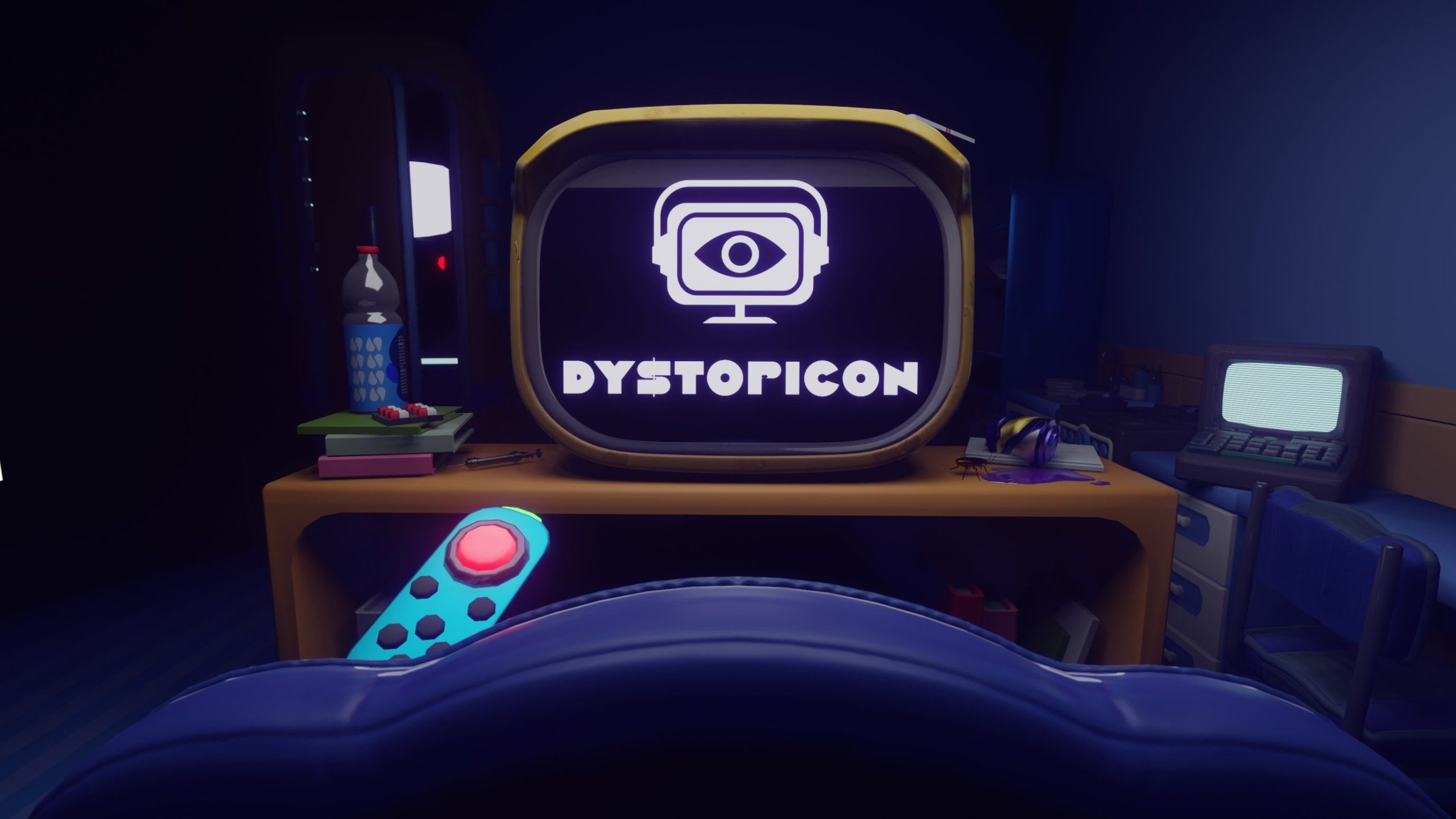
In an era where concerns about surveillance, privacy, and authoritarian control dominate global conversations, video games have become a powerful medium for exploring these anxieties. Dystopicon, developed by independent Spanish studio Palitroque, offers players an immersive experience of life under extreme totalitarian rule. This dystopian simulator confines players to their homes while subjecting them to relentless surveillance and oppressive governmental control, creating a gameplay experience that is equal parts fascinating and deeply unsettling.
The premise of Dystopicon is deceptively simple yet profoundly effective. Players find themselves trapped within the confines of their living space, unable to venture outside into a world that has become hostile to individual freedom. Every action is monitored, every resource is rationed, and every decision carries weight. The game masterfully creates an atmosphere of constant pressure through its innovative gameplay systems that revolve around managing costs, meeting governmental demands, and surviving within a system designed to crush the human spirit.
Gameplay Mechanics That Mirror Real-World Oppression
What sets Dystopicon apart from other entries in the dystopian genre is its commitment to making players feel the weight of authoritarian control through every game mechanic. The constant limitations imposed on players serve a deliberate purpose, creating an experience where freedom is not just restricted but actively punished. Resource management becomes a survival skill as players must balance their basic needs against the arbitrary demands of an uncaring state. The cost systems implemented throughout the game ensure that every decision, no matter how small, can have cascading consequences.
The surveillance mechanics in Dystopicon draw clear inspiration from both fictional works like George Orwell’s “1984” and real-world examples of governmental overreach. Cameras monitor player activities, reports must be filed, and any deviation from expected behavior triggers consequences. This creates a paranoid atmosphere that many players have found uncomfortably realistic, particularly those from regions with histories of authoritarian rule. The game does not shy away from the psychological toll such constant monitoring takes on individuals, making it both a entertainment product and a thought-provoking commentary on privacy in the modern age.
The Rise of Dystopian Gaming and Cultural Commentary
Dystopicon arrives at a moment when dystopian narratives have never been more relevant in gaming. Titles like Papers Please, Orwell, and Beholder have paved the way for games that use oppressive systems as central gameplay elements rather than mere backdrop. What Palitroque has accomplished with Dystopicon is a continuation of this tradition while adding its own unique perspective rooted in European sensibilities about state power and individual rights. The Spanish development team brings a distinct cultural viewpoint to the genre, informed by their country’s own historical experiences with authoritarianism during the Franco era.
The indie gaming scene has proven particularly fertile ground for dystopian narratives, as smaller studios can take creative risks that larger publishers might avoid. Dystopicon exemplifies this freedom, presenting uncomfortable scenarios and forcing players to make morally ambiguous choices without the polish or commercial constraints of AAA titles. This rawness contributes to the game’s impact, making the experience feel more personal and immediate. Players have reported feeling genuine stress and anxiety while playing, a testament to how effectively the game communicates its themes through interactive mechanics rather than cutscenes or exposition.
Technical Achievement and Artistic Vision
Despite being developed by a small independent studio, Dystopicon demonstrates impressive technical accomplishment in its visual design and atmospheric construction. The confined spaces players inhabit are rendered with careful attention to detail, creating environments that feel both lived-in and oppressive. The user interface itself becomes part of the oppression, with governmental demands and surveillance alerts constantly intruding on the player’s experience. Sound design plays a crucial role as well, with ambient noises suggesting the ever-present threat of state intervention lurking just beyond the walls of the player’s prison-home.
For players interested in exploring themes of surveillance, control, and resistance through interactive media, Dystopicon represents a compelling and thought-provoking experience. While its oppressive atmosphere may not appeal to everyone, those who engage with its systems will find a game that respects their intelligence and refuses to provide easy answers. Palitroque has crafted something genuinely meaningful in the crowded indie gaming landscape, proving that small studios can create experiences that rival or exceed their larger competitors in terms of artistic vision and emotional impact.
Expert Opinion: Dystopicon represents an important evolution in how video games can address serious political themes through gameplay mechanics rather than narrative alone. As surveillance technologies continue advancing globally, games like this serve as vital cultural artifacts that help players understand and process the psychological realities of living under authoritarian systems. We can expect more developers to explore these themes as privacy concerns intensify worldwide.