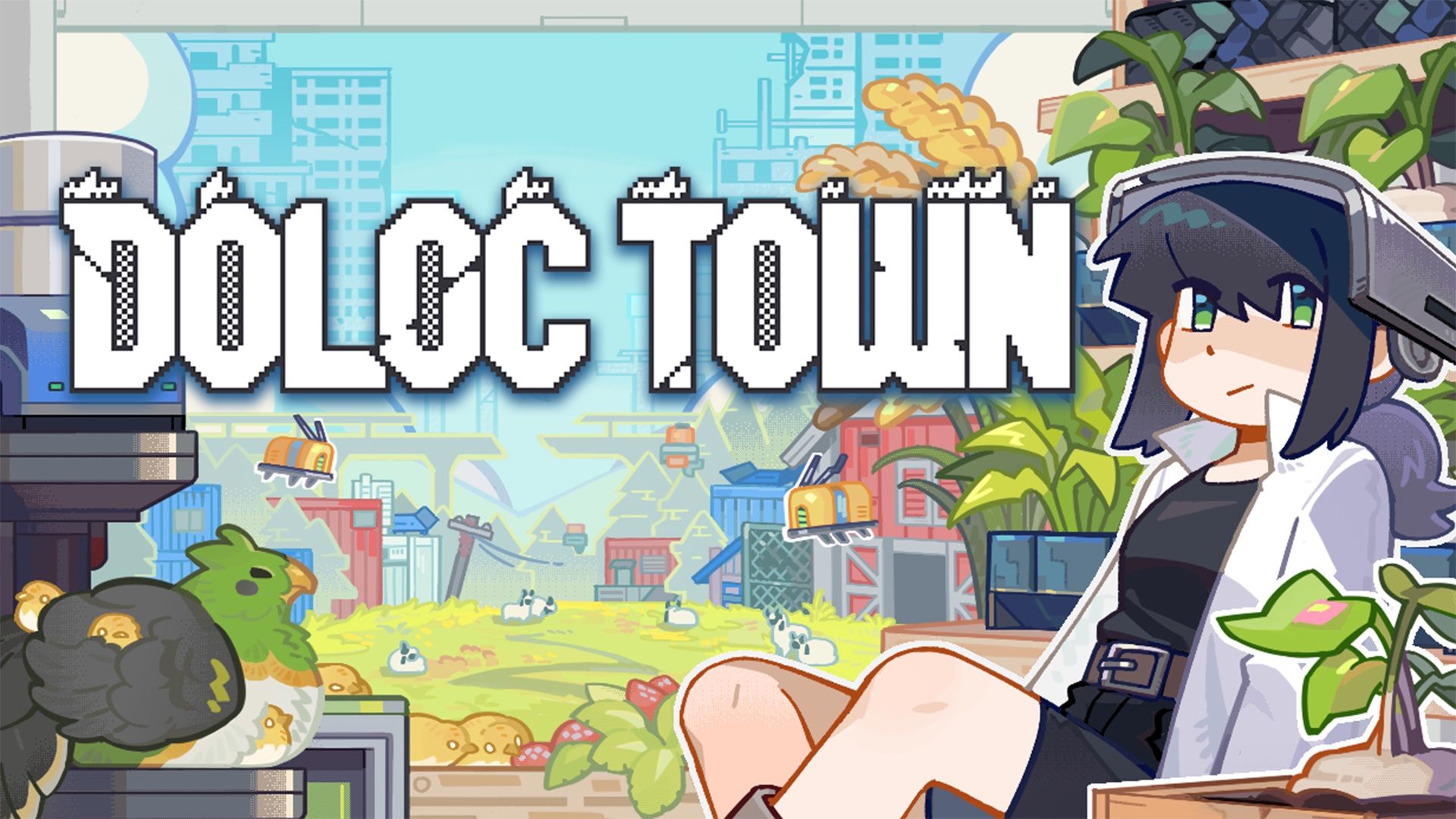
In a gaming landscape saturated with cozy farming simulators that promise endless growth and prosperity, Doloc Town arrives with a refreshingly different philosophical approach. This indie gem dares to explore a theme rarely touched in the genre: entropy. Everything breaks eventually, whether it’s a trusty hoe, a beloved piece of clothing, a reliable vehicle, or even the very fabric of society itself. Rather than viewing this inevitable decay as something to despair over, Doloc Town transforms it into the core gameplay loop, reminding players that broken things can always be repaired, and that impermanence is simply part of life’s natural rhythm.
The farming simulation genre has experienced remarkable growth since the groundbreaking success of Harvest Moon in the 1990s and Stardew Valley’s cultural phenomenon in 2016. Players have gravitated toward these digital pastoral escapes as antidotes to increasingly stressful modern lives. However, most entries in the genre follow a familiar formula: plant crops, befriend villagers, expand your farm indefinitely, and watch your virtual empire grow without limits. Doloc Town subverts these expectations by introducing meaningful consequences to the passage of time, creating what many are calling one of the most unique entries in farming simulation history.
A World Where Decay Drives Gameplay
What sets Doloc Town apart from its contemporaries is how it weaves the concept of entropy directly into every game system. Tools don’t simply exist as permanent fixtures in your inventory; they wear down with use, requiring attention, maintenance, and eventually replacement. This might sound frustrating on paper, but the developers have implemented these mechanics with remarkable care. The degradation system creates natural rhythms and encourages players to develop relationships with the town’s various craftspeople and merchants. Your interactions with the blacksmith become more meaningful when you genuinely need their services, transforming what could be tedious maintenance into organic community building.
The game’s approach to item durability extends beyond simple tools. Clothing wears out, buildings require upkeep, and even the land itself changes over time. Seasons bring not just different crops but different challenges, as winter storms might damage structures and summer heat accelerates wear on certain materials. This dynamic environment keeps players engaged in ways that static farming games cannot match. Historical farming communities faced exactly these challenges, and Doloc Town captures something authentic about agricultural life that sanitized modern simulations often miss.
Community and Connection Through Necessity
Perhaps the most innovative aspect of Doloc Town is how it uses breakdown and repair as vehicles for community interaction. When your wagon wheel breaks, you don’t simply click a repair button—you visit the wheelwright, learn about their family, perhaps help them gather materials. The game creates what sociologists might call “functional interdependence,” where relationships form naturally through mutual need rather than arbitrary affection meters. This design philosophy echoes research on real-world community building, where shared challenges and collaborative problem-solving create stronger social bonds than superficial interactions.
The townspeople themselves are wonderfully rendered, each with their own struggles with entropy. The elderly farmer watching his fields slowly return to wilderness, the young mechanic trying to keep ancient machines running, the seamstress patching clothes that have been handed down through generations—these characters resonate because their challenges mirror the game’s central theme. Nothing lasts forever, but everything can be maintained, repaired, and given new purpose through care and community effort.
A Meditative Experience for Modern Players
In an era where many games demand constant optimization and endless progression, Doloc Town offers something radical: acceptance. The chill atmosphere isn’t just aesthetic window dressing but reflects a genuine philosophical stance. Players who embrace the game’s rhythm report finding it surprisingly relaxing, even therapeutic. There’s freedom in accepting that your perfect farm will eventually need repairs, that your carefully cultivated fields will face setbacks, and that this is simply how things work. For players seeking escape from the relentless productivity demands of modern life, Doloc Town provides a gentle reminder that maintenance and care are just as valuable as expansion and achievement.
Expert Opinion: Doloc Town represents an important evolution in the farming simulation genre, demonstrating that meaningful gameplay can emerge from embracing limitations rather than endless growth. This philosophical approach may inspire future developers to explore similar themes of impermanence and community interdependence, potentially reshaping player expectations for what cozy games can achieve both mechanically and emotionally.